
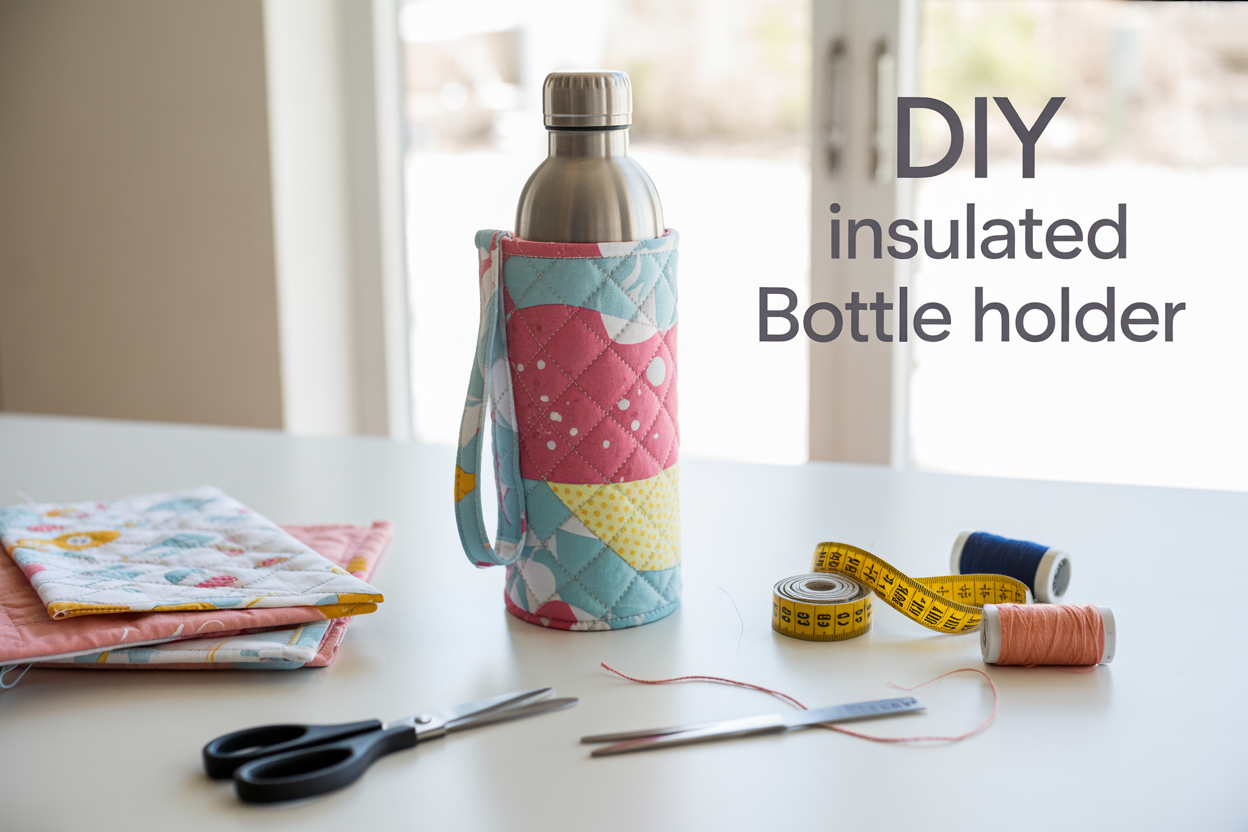
Stay hydrated in style with a custom insulated water bottle holder that keeps drinks at the perfect temperature while freeing up your hands for daily activities. Whether you’re hitting the hiking trails, commuting to work, or chasing after kids at the park, an insulated water bottle holder is a game-changer for outdoor enthusiasts, busy parents, and anyone who wants to stay organized on the go.
This comprehensive guide walks you through creating your own custom water bottle carrier from start to finish. We’ll cover everything from choosing the right insulating materials and measuring your bottle for a perfect fit, to adding practical features like adjustable straps and pockets. You’ll also learn professional finishing techniques that give your handmade bottle holder a polished, store-bought appearance.
By the end of this tutorial, you’ll have the skills to make multiple water bottle holders for different occasions – from lightweight versions for daily use to heavy-duty thermal cases for extended outdoor adventures.
- Essential Materials and Tools for Your Water Bottle Holder
- Measuring and Planning Your Custom Design
- Cutting and Preparing Your Fabric Pieces
- Constructing the Insulated Body of the Holder
- Adding Functional Features and Accessories
- Finishing Techniques for Professional Results
- Conclusion
- FAQs
- What type of fabric works best for an insulated water bottle holder?
- How much fabric do I need for a standard water bottle?
- Can I make this project without a sewing machine?
- What's the best way to add a carrying strap?
- How do I ensure my holder fits different bottle shapes?
- How long does the insulation last?
- Can I make waterproof holders?
- What if my measurements are wrong?
Essential Materials and Tools for Your Water Bottle Holder
Insulating Fabric Options for Temperature Retention
When creating your own insulated water bottle holder, selecting the right insulating materials forms the foundation of an effective thermal barrier. The core insulation layer determines how well your DIY water bottle carrier maintains your beverage’s temperature throughout the day.
Batting materials offer excellent thermal properties for your handmade bottle holder. Polyester batting provides reliable insulation while remaining lightweight and washable. For superior temperature retention, consider using thermal fleece or specialized insulating fabrics designed for outdoor gear. These materials create air pockets that effectively slow heat transfer, keeping cold drinks refreshing and hot beverages warm for extended periods.
Reflective insulating materials, such as Mylar-backed batting or radiant barrier fabric, add an extra layer of thermal protection to your insulated bottle cover. These materials reflect heat away from cold contents or retain warmth for hot beverages, significantly enhancing the performance of your custom water bottle holder.
Durable Outer Materials for Protection and Style
The exterior fabric of your thermal water bottle case must withstand daily use while providing aesthetic appeal. Canvas and duck cloth offer exceptional durability and water resistance, making them ideal choices for active lifestyles. These heavy-duty materials protect the insulation layer while maintaining their shape over time.
For a more refined appearance, consider using ripstop nylon or polyester blends. These materials provide excellent tear resistance while offering a wide range of colors and patterns to personalize your fabric water bottle carrier. Water-resistant treatments on these fabrics add practical benefits, protecting your holder from moisture and spills.
Denim and upholstery-weight cottons present stylish alternatives that combine durability with classic aesthetics. These materials work particularly well for casual or vintage-inspired designs while still providing the structural integrity needed for everyday use.
Basic Sewing Supplies and Equipment Needed
Creating a professional-quality water bottle sleeve tutorial requires specific tools and supplies. A reliable sewing machine capable of handling multiple fabric layers is essential, particularly when working with thick insulating materials and durable outer fabrics.
Sharp fabric scissors ensure clean cuts through various material weights, while a rotary cutter and cutting mat provide precision for straight lines and curves. Quality thread that matches your fabric weight prevents seam failure – use heavy-duty thread for canvas and lighter weights for delicate materials.
Essential notions include pins, seam rippers, measuring tools, and marking implements. A bias tape maker can be invaluable for creating professional-looking edges and binding. Iron and pressing surfaces help achieve crisp seams and professional finishing touches that elevate your water bottle holder pattern results.
Optional Hardware for Adjustable Straps and Closures
Hardware additions transform your basic make water bottle holder project into a versatile carrying solution. Adjustable strap hardware, including slides and D-rings, allows customization for different body types and carrying preferences. Choose hardware that matches your fabric weight – plastic works well for lightweight materials, while metal provides durability for heavy-duty applications.
Closure options enhance functionality and security. Velcro strips offer easy access, while snap fasteners provide a more permanent closure. Zippers create a completely enclosed system, ideal for preventing spills during transport. Drawstring closures with cord locks offer adjustable opening sizes to accommodate various bottle shapes.
Carabiners or clips enable attachment to backpacks, belt loops, or other gear, making your finished holder incredibly versatile for outdoor activities and daily commuting.
Measuring and Planning Your Custom Design
Determining proper dimensions for your bottle size
Accurate measurements form the foundation of a well-fitting insulated water bottle holder. Begin by measuring your water bottle’s height, diameter at the widest point, and any unique features like handles or spouts. Record the circumference by wrapping a measuring tape around the bottle’s widest section. For bottles with irregular shapes, measure at multiple points to ensure your custom water bottle holder accommodates all variations.
Consider the bottle’s material and how it affects sizing. Stainless steel bottles typically maintain consistent dimensions, while flexible plastic bottles may compress slightly when full. Take measurements with the bottle both empty and filled to account for any size changes that might affect the fit of your DIY water bottle carrier.
Adding seam allowances and ease for comfortable fit
Now that we have covered the basic measurements, we’ll add necessary allowances for construction and comfort. Standard seam allowances range from ¼ inch to ½ inch, depending on your chosen construction method. Add 1-2 inches to the height measurement for hem allowances and closure overlap.
Ease is crucial for creating a fabric water bottle carrier that slides on and off smoothly. Add ½ to ¾ inch to the circumference measurement for comfortable insertion and removal. For insulated designs requiring batting, increase ease by an additional ¼ inch to accommodate the extra bulk. Consider the intended use – a snug fit works well for active pursuits, while a looser fit suits casual daily use.
Creating a paper pattern template
Transform your measurements into a practical water bottle holder pattern using kraft paper or newspaper. Draw a rectangle using your adjusted height and circumference measurements, then add tabs for closures or straps as needed. Mark important reference points like fold lines, pocket placement, and hardware attachment locations.
Create separate pattern pieces for pockets, flaps, and decorative elements. Label each piece clearly with grain line directions and cutting instructions. Test your pattern by wrapping it around your bottle before cutting expensive fabric. This water bottle sleeve tutorial approach prevents costly mistakes and ensures proper fit.
Planning pocket placement and additional features
Strategic feature placement enhances functionality without compromising the holder’s primary purpose. Position exterior pockets on the side opposite from where you’ll typically grip the bottle. Standard pocket sizes accommodate keys, cards, or small snacks, typically measuring 3-4 inches wide by 4-5 inches tall.
Plan strap attachment points based on your carrying preferences. Shoulder straps work well attached at the upper third of the holder, while wrist straps attach near the top edge. Consider adding a carabiner loop for hands-free attachment to bags or belt loops. Mark all hardware placement on your pattern to ensure proper reinforcement during construction of your handmade bottle holder.
Cutting and Preparing Your Fabric Pieces
Laying out pattern pieces on insulating material
Now that you have your measurements and design ready, begin by laying your pattern pieces on the insulating material. Spread your thermal batting or foam insulation on a clean, flat surface. When working with reflective insulation materials, ensure the reflective side faces the direction that will be toward the water bottle. Position pattern pieces strategically to minimize waste while maintaining the integrity of the insulated water bottle holder design. Leave at least one inch between pattern pieces to allow for seam allowances. For curved sections of your DIY water bottle carrier, ensure the insulation material can bend without creasing or tearing.
Cutting outer fabric and lining components
With your insulation pieces cut, move on to preparing the outer fabric and lining materials for your fabric water bottle carrier. Pin your pattern pieces to the outer fabric, ensuring the grain line runs vertically for optimal strength. Cut each piece with sharp fabric scissors, adding a half-inch seam allowance around all edges. For the lining material, choose a moisture-resistant fabric that will protect the insulation layer. When cutting the lining pieces, maintain the same seam allowances as the outer fabric to ensure proper alignment during construction of your thermal water bottle case.
Preparing interfacing and batting layers
The interfacing and batting layers provide structure and additional insulation to your handmade bottle holder. Cut interfacing pieces that match your outer fabric dimensions, ensuring clean, straight edges. If using fusible interfacing, follow manufacturer instructions for proper application. Layer batting materials carefully, avoiding overlapping seams that could create bulk in the finished water bottle sleeve tutorial project. For areas requiring extra structure, such as the base of your custom water bottle holder, consider doubling the batting layer while maintaining smooth transitions between sections.
Marking important construction points
Accurate marking ensures professional results in your insulated bottle cover. Use fabric-safe marking tools to indicate seam lines, fold lines, and attachment points for straps or closures. Mark notches that will help align pieces during assembly, particularly important for curved sections of your water bottle holder pattern. Label each piece clearly to avoid confusion during construction. Mark the placement for any functional elements like D-rings or snap closures, ensuring they align properly with corresponding pieces. Double-check all markings against your original measurements before proceeding to the construction phase of your DIY water bottle carrier project.
Constructing the Insulated Body of the Holder
Assembling the Insulating Core Layer
The foundation of any effective insulated water bottle holder lies in properly assembling the insulating core layer. Begin by cutting your insulation material—whether batting, foam, or reflective insulation—to match your previously measured dimensions. Layer the insulation materials strategically, with thicker materials forming the primary barrier and thinner reflective layers positioned closest to the bottle. When working with multiple insulation layers, use temporary fabric spray adhesive to prevent shifting during assembly. Ensure the insulation extends slightly beyond the outer fabric edges to create complete thermal coverage without gaps that could compromise the holder’s effectiveness.
Attaching Outer Fabric to Insulation
Now that we have prepared the insulating core, the next critical step involves securing the outer fabric to create a cohesive thermal water bottle case. Position the outer fabric face-down on your work surface, then carefully place the insulation layer on top, followed by the inner fabric face-up. This sandwich method ensures proper alignment and prevents bunching. Use quilting pins spaced every 2-3 inches around the perimeter to maintain consistent positioning. When working with reflective insulation, take extra care to avoid puncturing the reflective surface excessively. Baste the layers together using long, loose stitches approximately ¼ inch from the edges, creating a stable foundation for your DIY water bottle carrier.
Creating Proper Seam Finishing Techniques
Professional seam finishing transforms your handmade bottle holder from amateur craft to polished accessory. Begin with French seams for all curved areas, as they provide durability while enclosing raw edges completely. For straight seams, utilize a serger or zigzag stitch to prevent fraying of the outer fabric. When joining the side seam of your custom water bottle holder, ensure the insulation layers align perfectly to prevent thermal bridging. Press seams carefully using a pressing cloth to protect any synthetic insulation materials from heat damage. Topstitch all major seams at ⅛ inch from the edge to create clean, professional lines while securing all layers permanently.
Installing Bottom Reinforcement for Durability
The bottom section of your fabric water bottle carrier experiences the most stress and requires specialized reinforcement techniques. Cut a circular piece of heavy-duty interfacing or canvas slightly larger than your bottle’s base diameter. Create a double-layer bottom by sandwiching this reinforcement between your outer and inner fabrics, then binding the edges with bias tape or a turned hem. Install grommets or reinforced eyelets if your design includes drainage features. For added protection, consider inserting a plastic disc cut from a yogurt container lid between the fabric layers. This invisible reinforcement prevents wear while maintaining the holder’s flexibility and appearance.
Adding Functional Features and Accessories
Installing Adjustable Carrying Straps
Now that the insulated body of your DIY water bottle carrier is complete, adding adjustable carrying straps will transform your creation into a truly functional accessory. Begin by selecting durable webbing or cotton strapping material that can comfortably support the weight of a filled water bottle. Cut two pieces of 1-inch wide webbing, each measuring approximately 36 inches in length to ensure adequate adjustment range.
Position the strap attachment points on opposite sides of your insulated water bottle holder, approximately 2 inches from the top edge. Mark these locations carefully, as proper placement ensures balanced carrying. Install adjustable buckles or D-rings by creating reinforced attachment loops using the webbing. Fold the webbing back on itself by 2 inches and secure with heavy-duty stitching, creating a box-and-X pattern for maximum strength.
For enhanced comfort, consider adding padding to the shoulder strap area using foam padding covered with matching fabric. This prevents the strap from digging into your shoulder during extended carrying periods.
Creating Secure Closure Systems
With the carrying system in place, establishing a reliable closure mechanism is essential for protecting your water bottle. The most effective approach involves installing a drawstring closure combined with a snap or Velcro fastener for added security.
Create a channel for the drawstring by folding the top edge of your fabric water bottle carrier inward by 1.5 inches and stitching along the bottom edge, leaving a small opening for threading. Use paracord or cotton rope as your drawstring material, threading it through the channel using a safety pin or bodkin.
For additional security, install heavy-duty snaps at two points around the circumference of the opening. Position these snaps opposite each other to create even tension when closed. Alternatively, sew industrial-strength Velcro strips along the interior rim for a quiet closure option that won’t scratch your bottle’s surface.
Adding Exterior Pockets for Convenience
Previously covered construction techniques can be adapted to create functional exterior storage on your thermal water bottle case. External pockets add significant utility without compromising the insulation properties of your handmade bottle holder.
Design a side pocket by cutting a rectangular piece of fabric measuring 4 inches by 6 inches. Create a gusset for depth by adding triangular pieces at the bottom corners. This pocket size accommodates small items like keys, energy bars, or electrolyte tablets.
Position the pocket on the side opposite your primary strap attachment to maintain balance. Secure the pocket using flat-fell seams to prevent fraying and ensure durability. Consider adding a small zipper or snap closure to prevent contents from falling out during active use.
For larger items, create a front-facing zippered pocket using a 5-inch zipper and coordinating fabric. This larger compartment can hold phones, wallets, or additional nutrition supplies during outdoor activities.
Incorporating Drainage Holes if Needed
With this in mind, next we’ll address the practical necessity of drainage in certain applications of your custom water bottle holder. If your insulated bottle cover will be exposed to wet conditions or if condensation is a concern, strategically placed drainage holes prevent moisture buildup.
Using a leather punch or sharp awl, create 4-6 small drainage holes (approximately 3mm diameter) in the bottom panel of your water bottle sleeve tutorial project. Position these holes in a circular pattern around the center, maintaining at least 1 inch distance from the seam lines to preserve structural integrity.
Reinforce each drainage hole with a small circle of interfacing or fabric stabilizer applied to the interior before punching. This prevents the holes from enlarging with use and maintains the professional appearance of your finished water bottle holder pattern.
For enhanced functionality, consider installing small grommets in each drainage hole. These metal reinforcements provide a finished appearance while preventing fabric fraying around the openings. Choose rust-resistant grommets to ensure longevity, especially if your insulated water bottle holder will be used in marine or high-humidity environments.
Finishing Techniques for Professional Results
Binding Raw Edges for Clean Appearance
Now that we’ve constructed the main body of your insulated water bottle holder, achieving professional-looking edges requires careful attention to finishing techniques. The most effective method for binding raw edges involves creating clean, durable seams that prevent fraying while maintaining the thermal properties of your DIY water bottle carrier.
Start by trimming all seam allowances to a consistent ¼ inch using sharp fabric scissors. For curved areas around the bottle opening, clip small notches into the seam allowance without cutting through the stitching line. This prevents puckering and allows the fabric to lay flat when turned. Consider using bias tape or self-made binding strips cut on the bias for curved edges, as these will conform better to the shape of your custom water bottle holder.
French seams work exceptionally well for straight edges, encasing raw fabric completely within the seam itself. Alternatively, serged or zigzag stitched edges provide excellent fray prevention while maintaining flexibility in your handmade bottle holder.
Adding Topstitching for Reinforcement
Topstitching serves both functional and aesthetic purposes in your fabric water bottle carrier construction. This visible stitching line adds crucial reinforcement to high-stress areas while creating a polished, professional appearance reminiscent of commercial products.
Focus topstitching efforts on the bottom seam where your water bottle sleeve tutorial construction bears the most weight. Use a slightly heavier thread weight and longer stitch length (3-4mm) for maximum durability. Position topstitching approximately ⅛ inch from the seam line for optimal strength distribution.
For insulated bottle cover projects, avoid topstitching through thick insulation layers as this can compress the thermal material and reduce effectiveness. Instead, topstitch only the outer fabric layer in these areas.
Installing Grommets or Eyelets Properly
With the main construction complete, installing grommets or eyelets requires precision to maintain the integrity of your thermal water bottle case. Mark placement points carefully, ensuring adequate distance from edges to prevent tearing under stress.
Use a leather punch or grommet cutter to create clean holes rather than scissors, which can cause fraying. For fabric water bottle carriers with multiple layers, work through all layers simultaneously to ensure proper alignment. Install grommets according to manufacturer specifications, using the appropriate setting tools to achieve secure attachment without damaging surrounding fabric.
Final Pressing and Quality Checks
The final pressing stage transforms your water bottle holder pattern construction into a professional-quality finished product. Use appropriate heat settings for your fabric type, employing a pressing cloth when working with synthetic insulation materials to prevent heat damage.
Press all seams flat, paying particular attention to curved areas that may require careful manipulation. Check all topstitching for consistent tension and stitch quality. Examine grommet installations for security and proper seating. Test the fit with your intended water bottle to ensure proper sizing and functionality of your completed insulated water bottle holder project.
Conclusion
Creating your own insulated water bottle holder is a rewarding project that combines functionality with personal style. By following the steps outlined in this guide—from gathering essential materials and measuring for a custom fit to constructing the insulated body and adding finishing touches—you’ll have a professional-quality carrier that keeps your drinks at the perfect temperature while reflecting your unique taste.
With your new skills in cutting fabric pieces, constructing insulated layers, and adding functional features like straps or pockets, you’re well-equipped to create multiple holders for different occasions or even as thoughtful handmade gifts. The techniques you’ve learned can be adapted for various bottle sizes and styles, making this a versatile addition to your crafting repertoire. Start your first project today and enjoy the satisfaction of carrying a custom-made accessory that’s both practical and personal.
FAQs
What type of fabric works best for an insulated water bottle holder?
The best fabrics for making a DIY water bottle carrier combine durability with thermal properties. Neoprene stands out as the top choice because it provides excellent insulation while remaining flexible and water-resistant. Canvas and heavy cotton duck cloth work well for the outer shell, offering structure and durability. For the insulation layer, batting materials like Thinsulate or thermal fleece create effective barriers against temperature transfer.
Avoid thin cotton or synthetic blends that don’t provide adequate insulation. Waterproof fabrics like ripstop nylon make excellent outer layers if you plan to use your custom water bottle holder outdoors frequently. Consider the weight of your chosen fabric – too heavy and your holder becomes bulky, too light and it won’t provide proper insulation.
How much fabric do I need for a standard water bottle?
Most standard water bottles (16-20 oz) require approximately:
- Outer fabric: 1/2 yard
- Insulation material: 1/4 yard
- Lining fabric: 1/4 yard
For larger bottles (32 oz), increase these measurements by about 30%. Always buy extra fabric to account for mistakes or design modifications. Pre-washing your fabric before cutting prevents shrinkage issues later.
Can I make this project without a sewing machine?
Absolutely! Hand-sewing works perfectly for creating an insulated bottle cover. Use a backstitch for seams that need strength and a running stitch for basting layers together. Hand-sewing actually gives you more control over thick layers of insulation material.
The project takes longer by hand – expect 4-6 hours instead of 1-2 hours with a machine. Use a thimble to protect your fingers when pushing through multiple fabric layers. Heavy-duty thread or upholstery thread provides better durability than standard thread.
What’s the best way to add a carrying strap?
Creating a comfortable carrying strap requires choosing the right materials and attachment method. Webbing straps offer the most durability – use 1-inch wide webbing for comfortable carrying. Cotton strapping works well too but may stretch over time.
For attachment, box stitching provides the strongest connection. Create a rectangle of stitches, then add an X pattern inside for extra security. Position straps on the side seams rather than front or back to distribute weight evenly. Adjustable straps using slider hardware let you customize the length for different users.
How do I ensure my holder fits different bottle shapes?
Design flexibility into your water bottle sleeve tutorial by adding adjustable elements. Velcro closures allow the holder to accommodate various bottle diameters. Drawstring tops work well for bottles with different heights.
Create a slightly larger opening than your bottle’s widest point. Add elastic gathering at the top or bottom to secure bottles of different sizes. Consider making the base wider than the top – this accommodates most bottle shapes naturally.
How long does the insulation last?
A well-made thermal water bottle case maintains insulation properties for years with proper care. The effectiveness depends on your material choices and construction quality. Thinsulate insulation retains its properties longer than basic batting materials.
Washing frequency affects longevity – spot clean when possible and machine wash only when necessary. Store your holder in a dry place to prevent moisture damage to insulation materials. Quality outer fabrics protect the insulation layer from wear and tear.
Can I make waterproof holders?
Creating a waterproof handmade bottle holder requires specific materials and techniques. Use waterproof fabrics like PUL (polyurethane laminate) or coated nylon for the outer shell. Seal seams with waterproof tape or use French seams to prevent water penetration.
Keep in mind that waterproof materials don’t breathe, which can trap moisture inside. Consider adding ventilation grommets or use water-resistant rather than completely waterproof materials for better air circulation.
What if my measurements are wrong?
Measurement mistakes happen, but they’re often fixable. If your holder is too large, add elastic gathering or adjustable closures. Too small? Add fabric panels to the sides or create an expansion gusset.
Always make a test version from scrap fabric first. This lets you perfect the fit before cutting your final materials. Keep detailed notes about modifications for future projects.