
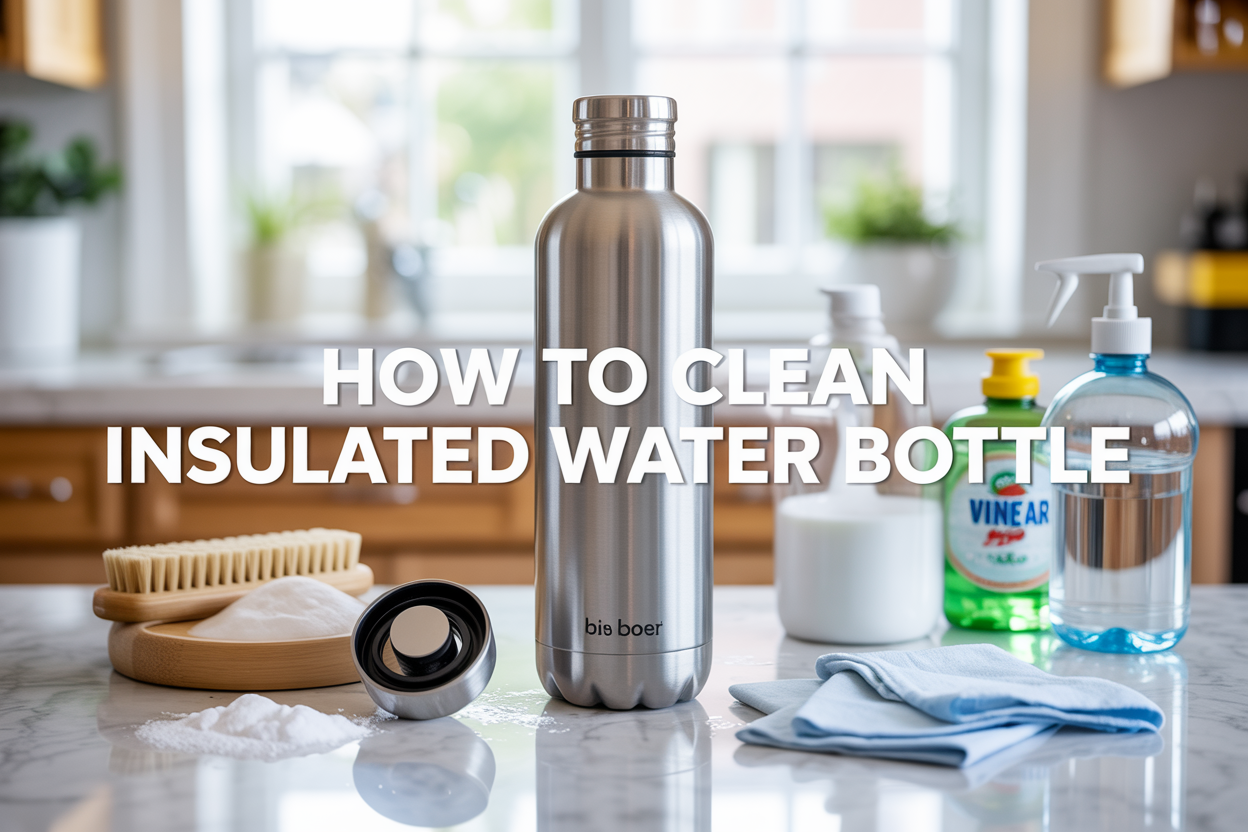
Your insulated water bottle works hard to keep drinks at the perfect temperature, but without proper cleaning, it can become a breeding ground for bacteria and develop unpleasant odors. This guide is for anyone who uses an insulated water bottle daily and wants to maintain both hygiene and taste quality.
Regular cleaning prevents harmful bacteria like E. coli from building up in the moist environment of your bottle, while also removing mineral deposits and stubborn smells that can affect your drinks. Many people skip proper water bottle maintenance, not realizing that a quick rinse isn’t enough to keep their bottle truly clean.
We’ll walk you through establishing a daily cleaning routine that takes just minutes but makes a huge difference in bottle hygiene. You’ll also learn proven deep cleaning methods using common household items like vinegar and baking soda to tackle tough odors and buildup that regular washing can’t handle. Finally, we’ll cover special considerations for different bottle components like caps, seals, and straws, plus when it’s safe to use your dishwasher.
- Understanding the Importance of Regular Water Bottle Cleaning
- Daily Cleaning Routine for Your Insulated Water Bottle
- Deep Cleaning Methods for Stubborn Odors and Buildup
- Special Cleaning Considerations for Different Components
- Dishwasher Safety and Manufacturer Guidelines
- Advanced Cleaning for Severely Contaminated Bottles
- Conclusion
- FAQs
- How often should I clean my insulated water bottle?
- Can I put my insulated water bottle in the dishwasher?
- What's the best way to remove stubborn odors from my water bottle?
- Is it safe to use bleach for cleaning my insulated water bottle?
- Why does my clean water bottle still smell bad?
- How do I clean the narrow neck of my insulated water bottle?
- Can I use hot water to clean my insulated water bottle?
- What should I avoid when cleaning my insulated water bottle?
- How do I know if my water bottle is completely clean?
Understanding the Importance of Regular Water Bottle Cleaning
Health Risks from Bacteria, Mold, and E. Coli Buildup
Reusable insulated water bottles pose significant health risks when not cleaned regularly due to bacterial contamination. The confined environment of these bottles creates perfect conditions for harmful microorganisms like E. coli to multiply rapidly. When these dangerous bacteria accumulate, they can lead to serious health complications including food poisoning and gastroenteritis.
The consequences of neglecting proper water bottle maintenance tips extend beyond minor discomfort. E. coli contamination specifically can cause severe digestive issues, including stomach cramps, diarrhea, and vomiting. These symptoms can range from mild discomfort to serious illness requiring medical attention. Understanding these risks is crucial for anyone committed to maintaining proper water bottle hygiene best practices.
How Moisture Creates Ideal Breeding Conditions for Germs
The moist environment inside insulated water bottles serves as an ideal breeding ground for various harmful microorganisms. This moisture, combined with any residual organic matter from beverages, creates optimal conditions for bacterial and mold growth. The insulated design that keeps beverages at desired temperatures also maintains consistent moisture levels that facilitate rapid microbial multiplication.
Mold thrives particularly well in these damp conditions, often developing in hard-to-reach areas like bottle threads and cap crevices. When learning how to clean insulated water bottle properly, it’s essential to understand that even small amounts of moisture left behind after incomplete cleaning can restart the contamination cycle within hours.
Benefits of Maintaining a Clean Bottle for Taste and Hygiene
Maintaining a clean insulated water bottle through regular daily water bottle cleaning routine ensures that germs are kept away while preserving the fresh taste of your beverages. When bottles are properly cleaned, water maintains its natural taste without any lingering odors or flavors from previous contents or bacterial buildup.
A consistently clean bottle promotes overall hygiene by eliminating the breeding grounds that allow harmful microorganisms to flourish. This proactive approach to insulated water bottle cleaning not only protects your health but also extends the lifespan of your bottle by preventing the buildup of stubborn contaminants that can permanently affect both function and taste quality.
Daily Cleaning Routine for Your Insulated Water Bottle
Simple Hot Soapy Water Wash with Bottle Brush Technique
For an everyday clean, establishing a consistent daily water bottle cleaning routine is essential for maintaining proper hygiene. The foundation of effective insulated water bottle cleaning begins with hot soapy water and the right tools. Use hot soapy water combined with a bottle brush to scrub the inside of the bottle thoroughly. This simple yet effective method forms the cornerstone of your water bottle maintenance routine.
A bottle brush is specifically recommended for reaching tricky nooks and crannies due to its narrow, flexible design and long handle. The specialized construction of bottle brushes allows you to access areas that standard cleaning tools simply cannot reach, ensuring comprehensive cleaning of your insulated water bottle’s interior surfaces. The flexibility of the brush head enables it to conform to the bottle’s curved walls, while the long handle provides the leverage needed to apply adequate cleaning pressure throughout the entire bottle cavity.
Proper Cleaning of Caps, Seals, and Threading Areas
Daily water bottle cleaning routine must extend beyond just the main chamber. Ensure caps, seals, and threading areas are thoroughly cleaned during the daily routine, as these components are critical contact points that require special attention. The threading areas where the cap screws onto the bottle often accumulate residue and bacteria, making them particularly important to address during your regular cleaning regimen.
These often-overlooked areas can harbor bacteria and develop unpleasant odors if not properly maintained. Focus special attention on the rubber seals and gaskets, as these components create the airtight seal that maintains your bottle’s insulation properties while also creating environments where moisture and contaminants can accumulate.
Complete Drying Methods to Prevent Bacterial Growth
After washing, rinse the bottle thoroughly and leave it to dry completely to prevent the growth of germs. This critical step in your water bottle hygiene best practices cannot be overlooked, as moisture remaining in any part of the bottle system can create ideal conditions for bacterial proliferation.
Proper drying technique involves ensuring all components are completely moisture-free before reassembly or storage. Allow all parts to air dry completely, positioning them in a way that promotes maximum airflow and prevents water from pooling in any crevices or seal areas.
Deep Cleaning Methods for Stubborn Odors and Buildup
Weekly vs Monthly Deep Cleaning Schedule Recommendations
Establishing a consistent water bottle deep cleaning routine is crucial for maintaining optimal hygiene and preventing bacterial growth. A weekly deep clean is recommended for optimal freshness and sanitation, ensuring your insulated water bottle remains in peak condition. This frequent cleaning schedule helps prevent the accumulation of mineral deposits, bacterial buildup, and lingering odors that can compromise both taste and safety.
However, if you’ve been less consistent with maintenance, a monthly clean can effectively address bad smells, mold, or mildew problems that may have developed over time. While monthly cleaning can resolve existing issues, weekly maintenance prevents these problems from occurring in the first place, making your insulated water bottle cleaning routine more manageable and effective.
Baking Soda Treatment for Mineral Deposits and Odor Removal
Baking soda (sodium bicarbonate) stands out as an excellent solution for water bottle deep cleaning methods, particularly when dealing with stubborn mineral deposits and persistent odors. This natural cleaning agent possesses powerful disinfectant, antibacterial, and antimicrobial properties that make it highly effective for removing bad smells, mildew, mineral buildup, and stains from your insulated water bottle.
To implement this method for your clean stainless steel water bottle routine, place one teaspoon of baking soda in an empty bottle and fill it with warm water. Thoroughly scrub the interior surfaces, ensuring the solution reaches all areas of the bottle. Allow the mixture to soak for at least 15 minutes for light cleaning, or overnight for more stubborn deposits and odors. After soaking, rinse the bottle thoroughly with clean water to remove any residual baking soda particles.
White Vinegar Solution for Disinfection and Mildew Elimination
Distilled white vinegar serves as a powerful disinfecting and sterilizing agent, making it particularly effective for eliminating mildew and mold from your insulated water bottle. This remove odor from water bottle method offers two effective approaches depending on the severity of contamination.
For standard deep cleaning, add 2 tablespoons of distilled white vinegar to your bottle and fill it halfway with warm water. Shake the mixture vigorously to ensure proper distribution, then scrub the interior surfaces thoroughly before rinsing and drying completely. For more intensive cleaning needs, fill the bottle with equal parts water and vinegar, shake well, and allow the solution to soak overnight before rinsing thoroughly.
It’s crucial to use only distilled white vinegar for this cleaning method, as other types of vinegar can leave unwelcome lingering smells that may affect the taste of your beverages.
Hydrogen Peroxide Method for Persistent Smells and Heavy Contamination
When dealing with persistent unpleasant smells that won’t budge despite other cleaning methods, 3% hydrogen peroxide provides an effective solution for heavy contamination issues. This method should be reserved for the most stubborn odor problems that haven’t responded to gentler cleaning approaches.
Begin by cleaning the bottle normally with soap and warm water to remove surface debris and contaminants. Once clean, add approximately 60ml of 3% hydrogen peroxide to the bottle and shake vigorously to ensure the solution contacts all interior surfaces. Pour out the hydrogen peroxide solution and give the bottle a quick but thorough rinse with clean water. This water bottle maintenance tips approach effectively eliminates even the most persistent odors while maintaining the integrity of your insulated water bottle’s materials.
Special Cleaning Considerations for Different Components
Effective Cap and Seal Cleaning Techniques
Water bottle caps and seals require special attention during the cleaning process as they harbor bacteria and develop stubborn buildup over time. For thorough insulated water bottle cleaning, caps and seals need more intensive treatment than the bottle itself.
To deep clean caps and seals effectively, begin by disassembling all removable components. Soak these parts overnight in a specialized cleaning solution. You have several effective options for this soaking process: create a vinegar solution, use baking soda mixed with water, or employ Milton sterilizing solution. Each of these solutions works to break down accumulated residue and eliminate bacteria that standard washing cannot remove.
After the overnight soaking period, give the components a thorough scrubbing using a small brush or old toothbrush to reach into crevices and threading. This combination of extended soaking and mechanical scrubbing ensures comprehensive water bottle maintenance for these critical components.
Straw Cleaning with Specialized Brushes
For bottles equipped with straws, proper clean water bottle thoroughly practices require specialized tools. Standard cleaning methods cannot effectively reach the interior surfaces of narrow straws where bacteria and residue accumulate.
Invest in a specialized straw cleaning brush designed specifically for this purpose. These brushes feature long, flexible bristles that can navigate the entire length of the straw while providing the necessary scrubbing action to remove buildup. The narrow design allows the brush to fit snugly inside the straw, ensuring contact with all interior surfaces during the cleaning process.
Regular use of straw cleaning brushes prevents the development of biofilm and eliminates potential sources of contamination that could affect the taste and safety of your drinking water.
Proper Maintenance of Bottle Cleaning Brushes
Maintaining your cleaning tools is essential for effective water bottle hygiene best practices. Bottle cleaning brushes themselves require regular maintenance to prevent them from becoming sources of contamination.
Begin brush maintenance by soaking the brush in hot water mixed with liquid soap for 10-15 minutes. This initial soaking helps loosen accumulated residue and debris trapped within the bristles. After soaking, gently separate the bristles with your fingers to remove any dirt or particles that have become lodged between them.
Following the initial cleaning, rinse the brush thoroughly under running water to remove soap residue and loosened debris. Allow the brush to air dry completely in a well-ventilated area to prevent moisture retention that could promote bacterial growth.
For complete sanitization of your cleaning brushes, implement an additional step by soaking the clean brush in hydrogen peroxide for 10-15 minutes. This sanitizing treatment eliminates any remaining bacteria or microorganisms. After the hydrogen peroxide treatment, rinse the brush thoroughly once more and allow it to air dry completely before storage.
Dishwasher Safety and Manufacturer Guidelines
Top Rack Placement for Stainless Steel Bottles
When considering dishwasher safe water bottle cleaning for your stainless steel insulated bottle, proper placement is crucial for maintaining its integrity. Stainless steel bottles are generally safe for dishwasher use, but they should ideally be positioned on the top rack where the temperature remains coolest. This strategic placement protects your bottle from the intense heat generated by the dishwasher’s heating element, which is typically located at the bottom.
The top rack provides a gentler cleaning environment that effectively sanitizes your stainless steel water bottle without compromising its structural integrity or finish. The cooler temperatures on the upper level prevent potential warping or damage to the bottle’s insulation properties, ensuring your investment in quality drinkware remains protected throughout the cleaning process.
Removing Silicone Seals Before Dishwasher Use
A critical step in insulated water bottle cleaning involves removing any silicone seals before placing your bottle in the dishwasher. These rubber gaskets and sealing components require separate attention during the cleaning process, as they can trap debris and may not withstand the dishwasher’s harsh environment when attached to the bottle.
Silicone seals should be carefully removed and cleaned separately by hand to ensure thorough sanitation and prevent damage. This practice not only extends the life of these essential components but also ensures that your bottle maintains its leak-proof properties over time.
Avoiding Heat Damage to Colored Bottles
Colored insulated water bottles require special consideration when it comes to dishwasher cleaning. The intense heat and harsh detergents used in dishwashers can cause colored bottles to lose their luster and vibrancy over time. This degradation not only affects the aesthetic appeal of your bottle but may also indicate potential damage to protective coatings.
To maintain the appearance and integrity of your colored bottle, hand washing remains the safest cleaning method. This approach preserves both the color quality and any specialized finishes that give your bottle its distinctive appearance.
Advanced Cleaning for Severely Contaminated Bottles
Milton Sterilizing Solution for Extreme Cases
When your insulated water bottle faces severe contamination with persistent funky smells or visible mold, conventional cleaning methods may fall short. For these extreme cases, Milton sterilizing solution emerges as the most effective and safe option for thorough water bottle deep cleaning methods. Unlike harsh chemicals, Milton is specifically formulated for safety and can even be used to sterilize drinking water, making it ideal for cleaning vessels that come into direct contact with beverages.
To clean a severely contaminated bottle with Milton, the process is straightforward yet highly effective. Add one teaspoon of Milton sterilizing liquid to your empty insulated water bottle, then fill completely with warm water. This creates a powerful sterilizing solution that penetrates deep into contamination. Allow the bottle to soak overnight, giving the solution ample time to break down stubborn contaminants and eliminate harmful bacteria.
Overnight Soaking Methods for Heavy Mold Buildup
For bottles plagued with heavy mold buildup, overnight soaking methods prove exceptionally effective in restoring your insulated water bottle to pristine condition. Beyond Milton solution, alternative overnight soaking approaches include baking soda and vinegar treatments. These methods work by allowing extended contact time between the cleaning agent and stubborn mold, gradually breaking down the contamination through prolonged exposure.
After the overnight soaking period, complete the cleaning process by scrubbing the bottle thoroughly with hot soapy water. This combination of chemical breakdown followed by mechanical cleaning ensures complete removal of loosened contaminants. Finish with thorough rinsing to eliminate any residual cleaning solution.
When to Avoid Bleach and Choose Safer Alternatives
Despite bleach’s reputation as a powerful disinfectant, it should never be used for insulated water bottle cleaning, especially in cases of severe contamination. Bleach is not formulated for human consumption and can leave harmful residues that pose health risks when consumed. The harsh chemical nature of bleach can also damage the interior surfaces of your bottle and compromise its insulation properties.
Instead of bleach, prioritize safer alternatives like hydrogen peroxide or Milton sterilizing liquid for your clean stainless steel water bottle maintenance routine. These alternatives provide equivalent sterilizing power without the associated health risks, ensuring your bottle remains safe for daily use while achieving the deep cleaning results needed for severely contaminated bottles.
Conclusion
Maintaining a clean insulated water bottle is essential for both your health and the longevity of your investment. By following a daily cleaning routine with hot soapy water and implementing weekly deep cleaning methods using natural ingredients like baking soda or distilled white vinegar, you can prevent bacterial buildup and eliminate stubborn odors. Remember to pay special attention to caps, seals, and straws, as these components often harbor the most germs and require thorough cleaning.
Your reusable water bottle is one of the easiest ways to reduce single-use plastic while staying properly hydrated throughout the day. With proper care and regular maintenance, your insulated bottle will continue to keep your drinks at the perfect temperature while ensuring every sip tastes fresh and clean. Make bottle cleaning a simple part of your daily routine, and you’ll enjoy better-tasting water while contributing to a healthier environment for years to come.
FAQs
How often should I clean my insulated water bottle?
Daily rinsing with warm water and mild soap keeps your bottle fresh for regular use. Deep cleaning should happen weekly, especially if you drink flavored beverages or protein shakes. When you notice any odors, cloudiness, or buildup, that’s your cue for immediate thorough cleaning. Athletes and heavy users might need to clean their bottles more frequently.
Can I put my insulated water bottle in the dishwasher?
Check your manufacturer’s guidelines first. Many stainless steel insulated water bottles are dishwasher-safe on the top rack, but the high heat can damage vacuum seals and insulation. Hand washing with warm soapy water is the safest method for maintaining your bottle’s performance. If your bottle has a painted or powder-coated exterior, avoid the dishwasher entirely as it can cause chipping or fading.
What’s the best way to remove stubborn odors from my water bottle?
Baking soda works wonders for odor removal. Mix two tablespoons with warm water, let it sit overnight, then scrub and rinse thoroughly. White vinegar offers another powerful solution – fill your bottle with equal parts water and vinegar, let it soak for several hours, then wash normally. For persistent smells, try denture cleaning tablets or activated charcoal powder mixed with water.
Is it safe to use bleach for cleaning my insulated water bottle?
Diluted bleach can sanitize your bottle effectively when used properly. Mix one teaspoon of bleach with one quart of water, fill your bottle, let it sit for two minutes, then rinse extensively with clean water. Never use concentrated bleach or let it sit longer than recommended. Always ensure complete rinsing to remove any bleach residue before using your bottle again.
Why does my clean water bottle still smell bad?
Trapped moisture in hard-to-reach areas often causes persistent odors. Remove all components and let everything air dry completely between uses. Check rubber gaskets and threading where bacteria love to hide. Sometimes the smell comes from the cap or straw mechanism rather than the bottle itself. Deep clean all parts separately and consider replacing rubber components if odors persist.
How do I clean the narrow neck of my insulated water bottle?
Bottle brushes designed for narrow openings work best for thorough scrubbing. Rice or small pasta with soapy water creates an abrasive cleaning action when you shake the bottle vigorously. Denture cleaning tablets dissolve buildup in tight spaces without scrubbing. For extremely narrow bottles, pipe cleaners can reach areas that standard brushes miss.
Can I use hot water to clean my insulated water bottle?
Warm water is perfect for daily cleaning, but avoid extremely hot water that might compromise the vacuum seal or damage rubber components. Most insulated bottles handle typical hot tap water just fine. If your bottle has specific temperature restrictions, the manufacturer’s instructions will specify safe cleaning temperatures. Lukewarm water with soap cleans effectively without risking damage.
What should I avoid when cleaning my insulated water bottle?
Skip abrasive scrubbers that scratch stainless steel surfaces, creating bacteria-friendly crevices. Harsh chemicals like ammonia or strong acids can damage seals and coatings. Don’t soak wooden or bamboo caps for extended periods. Avoid freezing a wet bottle, which can damage the vacuum insulation. Never use steel wool or metal brushes on the interior surfaces.
How do I know if my water bottle is completely clean?
A properly cleaned bottle has no visible residue, cloudiness, or discoloration. The smell test is crucial – your bottle should smell neutral or slightly soapy, never sour, musty, or off-putting. Water should taste completely normal without any metallic or plastic flavors. If you see any film or spots after drying, repeat the cleaning process with more thorough scrubbing.
