
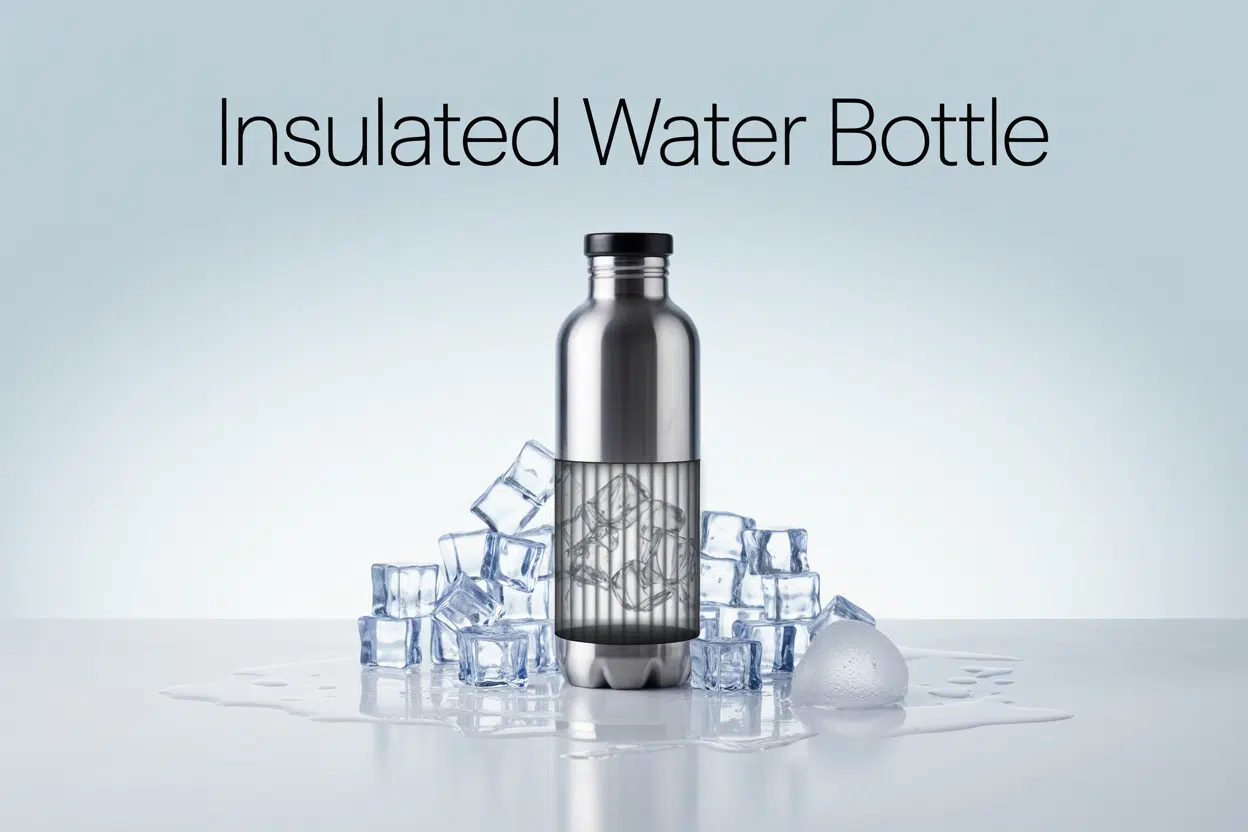
An insulated water bottle is designed to keep your drinks at their original temperature for hours, using specialized double-wall construction with a vacuum barrier between the layers. If you’re an active person, commuter, or anyone who wants their cold water to stay refreshing and hot beverages to remain warm throughout the day, understanding how these bottles work can help you choose the right one.
We’ll explore how insulated bottles use vacuum technology to prevent heat transfer, compare different construction types like double-wall versus single-wall designs, and examine the key benefits including temperature retention, durability, and environmental advantages. You’ll also learn about potential drawbacks like added weight and cost, plus get answers to common questions about freezing, performance, and longevity.
- Understanding Insulated Water Bottles and How They Work
- Types of Water Bottle Construction and Their Differences
- Key Benefits of Using Insulated Water Bottles
- Performance Features and Practical Applications
- Comparing Insulated vs Non-Insulated Water Bottles
- Potential Drawbacks and Considerations
- Conclusion
- FAQs
- How long does an insulated water bottle keep drinks cold or hot?
- Are insulated water bottles safe for hot liquids?
- Can you put an insulated water bottle in the dishwasher?
- What's the difference between a thermos and an insulated water bottle?
- Why do some insulated bottles lose their effectiveness over time?
- How do I know if my insulated bottle is working properly?
Understanding Insulated Water Bottles and How They Work
Definition and core function of insulated water bottles
An insulated water bottle is a specialized vessel engineered to lengthen the time its contents will remain at their original temperature, whether hot or cold. Unlike traditional water bottles, these thermal water bottles work by incorporating a sophisticated barrier system against external factors that can cause temperature changes. The primary function of an insulated water bottle centers on maintaining the desired temperature of beverages for extended periods, making them invaluable for both hot beverages like coffee and tea, as well as cold drinks throughout the day.
The core principle behind these vacuum insulated bottles lies in their ability to create an effective shield between the beverage inside and the external environment. This thermal protection ensures that your morning coffee stays steaming hot hours later, or your ice-cold water remains refreshingly cool even on the hottest summer days.
Double-walled vacuum insulation technology explained
Each insulated water bottle is equipped with double-walled vacuum insulation technology, which represents the foundation of their thermal performance. This double wall water bottle construction creates a sophisticated barrier system that effectively separates two different temperature zones. The technology works by establishing a protective layer between the liquid inside and the external environment.
The double-walled design consists of two separate walls, typically made of stainless steel in high-quality vacuum flask water bottles. These walls are carefully positioned to create a specific gap between them, which becomes the key component in the thermal insulation process. This construction method is what distinguishes premium insulated water bottles from regular single-wall alternatives.
How vacuum barriers prevent heat transfer between molecules
The vacuum barrier system places a strategic obstacle between two different temperature molecules, effectively stopping heat transfer in its tracks. The vacuum itself is a space between the two walls that is completely void of air, preventing any heat transfer between the inside of the vessel and the outside wall. This airless environment is crucial because heat transfer typically occurs through air molecules.
Without air molecules present in this space, thermal energy cannot travel from one wall to another through conduction or convection. This vacuum structure provides exceptional thermal insulation, creating an almost impenetrable barrier that maintains temperature consistency. The absence of air molecules means there’s no medium through which heat can transfer, making this technology remarkably effective at preserving both hot and cold temperatures for extended periods.
Types of Water Bottle Construction and Their Differences
Single wall bottles and their temperature limitations
Single wall bottles represent the most basic construction in water bottle design, consisting of just one layer of material. This simple design creates significant temperature limitations that users should understand before making their selection.
When you hold a single wall bottle, you will immediately feel the temperature of the contents, whether hot or cold. This direct heat transfer occurs because there’s no barrier preventing thermal conductivity between the liquid inside and the external environment. The single layer of material acts as a direct conduit for heat exchange, making these bottles unsuitable for maintaining desired temperatures over time.
The fundamental limitation of single wall bottles lies in their inability to maintain temperature. Hot beverages will rapidly cool to room temperature, while cold drinks will quickly warm up, especially in hot environments. This makes single wall bottles impractical for situations where temperature retention is important, such as long hikes, extended work sessions, or outdoor activities.
Double wall bottles versus vacuum insulated bottles
Understanding the distinction between double wall bottles and vacuum insulated bottles is crucial when selecting the right thermal water bottle for your needs. While both designs feature two layers of material, their performance capabilities differ significantly.
Double wall bottles incorporate two layers of material that create a barrier between the contents and the external environment. This additional material layer can be effective in keeping cold drinks cold, as it provides insulation that slows heat transfer. However, their effectiveness faces limitations during prolonged use or when exposed to hot environments. Most notably, double wall bottles generally cannot keep hot drinks hot effectively, limiting their versatility for users who want to maintain both hot and cold beverages.
In contrast, vacuum insulated bottles represent superior technology in thermal retention. These bottles also feature two layers, but with a crucial difference: an intentional air void or vacuum exists between the layers. This vacuum creates an environment with virtually no molecules for heat to transfer through, making them significantly more effective at maintaining temperature for extended periods.
The vacuum barrier prevents heat conduction, convection, and reduces radiant heat transfer, resulting in exceptional temperature maintenance for both hot and cold beverages. This makes vacuum insulated bottles the preferred choice for serious temperature retention needs.
Material choices and insulation methods used
Stainless steel water bottles dominate the insulated bottle market due to their superior properties for thermal retention and durability. Stainless steel provides excellent structural integrity while maintaining neutral taste characteristics, making it ideal for both hot and cold beverages.
Beyond the primary material construction, manufacturers employ various insulation methods to enhance thermal performance. Foam insulation represents one common approach, where the material traps tiny air bubbles between the bottle walls. These microscopic air pockets act as thermal barriers, preventing heat and cold from escaping the bottle interior.
Fiberglass insulation offers another method for thermal retention, utilizing fine glass fibers to create an insulative barrier. These glass fibers work similarly to foam insulation by creating air pockets and reducing heat transfer, though the application and effectiveness may vary depending on the specific bottle design and manufacturing process.
The combination of material choice and insulation method determines the overall performance of any insulated water bottle. Premium bottles typically combine high-grade stainless steel construction with advanced vacuum insulation technology, while more budget-friendly options might rely on double-wall construction with foam or fiberglass insulation methods.
Key Benefits of Using Insulated Water Bottles
Superior temperature control for hot and cold beverages
Thermal water bottles excel at maintaining beverage temperatures for extended periods, making them superior to regular bottles. The double wall water bottle construction creates exceptional temperature retention capabilities that keep cold beverages refreshingly cool and hot drinks steaming for hours. High-quality insulated water bottles can maintain temperature for up to 6 hours or more, with some premium models extending this duration even further.
This temperature control feature transforms your drinking experience, ensuring your morning coffee stays hot during long commutes or your ice-cold water remains chilled throughout intense workout sessions. The vacuum insulated bottle technology creates an effective barrier against external temperature changes, making these bottles reliable companions regardless of environmental conditions.
Versatility for outdoor activities and daily use
The adaptability of stainless steel water bottles makes them invaluable for diverse scenarios and occasions. Whether you’re embarking on hiking adventures, setting up camp in the wilderness, or engaging in competitive sports, these bottles deliver consistent performance. Their robust construction and reliable temperature retention make them dependable companions for outdoor enthusiasts who need beverages at optimal temperatures throughout their activities.
Beyond outdoor adventures, insulated water bottles seamlessly integrate into daily routines. Office workers appreciate having hot coffee or cold water readily available during long workdays, while students benefit from temperature-controlled beverages during extended study sessions. This versatility eliminates the need for multiple beverage containers, streamlining your daily carry items.
Condensation-free exterior for convenient carrying
One of the most practical advantages of vacuum flask water bottles is their condensation-free exterior surface. Unlike regular bottles that develop moisture droplets when containing cold beverages, insulated bottles prevent condensation formation entirely. This feature eliminates the inconvenience of wet surfaces that can damage personal belongings in bags, backpacks, or purses.
The dry exterior ensures your bottle won’t leave water marks on desks, tables, or other surfaces, making it ideal for professional environments. This condensation-free design also prevents slippage from wet hands, maintaining secure grip during activities and reducing the risk of accidental drops.
Enhanced durability and impact resistance
The double-wall construction inherent in how insulated bottles work provides exceptional durability and impact resistance. These bottles withstand occasional drops and impacts without sustaining significant damage, thanks to their robust materials and engineered design. The stainless steel construction commonly used in premium insulated water bottles offers superior strength compared to single-wall alternatives.
This enhanced durability translates to long-term value, as quality insulated bottles often last for many years with proper care. The impact resistance makes them particularly suitable for active lifestyles, outdoor adventures, and demanding environments where regular bottles might fail. Investment in a durable thermal bottle benefits both your wallet and environmental sustainability through reduced replacement frequency.
Performance Features and Practical Applications
Temperature Retention Duration and Effectiveness
The performance of an insulated water bottle centers on its remarkable ability to maintain beverage temperatures for extended periods. A quality vacuum insulated bottle can preserve the temperature of its contents for up to 6 hours, making it a reliable companion throughout your day. This impressive duration stems from the double wall water bottle design that creates an effective barrier against external temperature changes.
The effectiveness of temperature retention depends on several factors, including the quality of the vacuum seal, the materials used in construction, and the initial temperature of the liquid. Stainless steel water bottles with superior insulation technology consistently deliver optimal performance, ensuring your beverages maintain their desired temperature regardless of external conditions.
Using Insulated Bottles for Hot Beverages Throughout the Day
Thermal water bottles excel at keeping hot drinks warm for hours, even during challenging weather conditions. This capability proves invaluable for outdoor activities like wild swimming, where maintaining body temperature becomes crucial after exposure to cold water. The sustained warmth from your hot beverage can provide essential comfort and help regulate your core temperature.
Beyond recreational activities, these bottles offer practical energy-saving benefits for daily routines. By keeping tea or coffee hot throughout the day, you can enjoy multiple servings from a single preparation, eliminating the need to repeatedly reheat water. This energy-efficient approach not only reduces electricity consumption but also provides consistent access to warm beverages during work hours or extended outdoor adventures.
Cold Drink Maintenance Without Freezing Requirements
The vacuum flask water bottle design eliminates the need for freezing the entire bottle to maintain cold temperatures. Instead, these bottles effectively preserve the chill of cold water when combined with ice cubes, leveraging the vacuum insulation to prevent heat transfer. The superior insulation means that pre-freezing the bottle would provide minimal additional benefit, as the vacuum barrier already creates an incredibly effective temperature maintenance system.
This approach offers significant convenience, as you can simply add ice to your cold beverage and trust the thermal bottle benefits to maintain refreshing temperatures throughout your day without advance preparation or freezer space requirements.
Comparing Insulated vs Non-Insulated Water Bottles
Weight and portability considerations
When choosing between an insulated water bottle and a non-insulated option, weight becomes a crucial factor for many users. Vacuum insulated bottles are inherently heavier and bulkier due to their sophisticated double-walled construction. This double wall water bottle design, while excellent for thermal performance, adds considerable mass that can impact portability during activities like hiking, cycling, or daily commuting.
In contrast, non-insulated bottles prioritize lightweight design and compact form factors. Their single-wall construction makes them significantly more portable, fitting easily into smaller bags, pockets, or lightweight gear setups. For users who prioritize minimal weight over temperature retention, traditional bottles offer clear advantages in mobility and convenience.
Cost differences and long-term value
The financial comparison between insulated vs regular water bottle options reveals distinct trade-offs. Thermal water bottles command higher upfront costs due to their complex manufacturing processes and advanced vacuum insulation technology. The precision engineering required for effective thermal performance drives initial price points significantly above standard bottles.
However, stainless steel water bottles with insulation properties deliver exceptional long-term value. Their reusable nature and superior durability reduce replacement frequency, creating substantial savings over time. While non-insulated bottles offer immediate affordability, their shorter lifespan often results in higher cumulative costs through repeated purchases. The investment in quality insulated bottles typically pays dividends through years of reliable service.
Durability and lifespan comparisons
Vacuum flask water bottles demonstrate superior durability characteristics compared to their non-insulated counterparts. Constructed primarily from robust stainless steel, these bottles withstand significant physical stress, impacts, and daily wear. Many premium insulated models offer decades of service life when properly maintained, with some manufacturers providing lifetime warranties.
Non-insulated bottles, frequently manufactured from plastic materials, exhibit greater vulnerability to damage, cracking, and deterioration. Their structural integrity degrades more rapidly under normal usage conditions, leading to leaking issues and premature failure. The material composition of standard bottles simply cannot match the resilience of engineered thermal bottles.
Environmental impact and sustainability benefits
The sustainability advantages of insulated water bottles extend far beyond personal convenience. These durable, reusable vessels significantly reduce dependence on single-use plastic bottles, directly addressing global plastic waste concerns. Their extended lifespan means fewer bottles entering waste streams over time, creating meaningful environmental benefits.
Non-insulated plastic bottles contribute substantially to ongoing environmental challenges. Beyond their shorter replacement cycles generating more waste, plastic bottles pose additional health risks through chemical leaching when exposed to temperature extremes. The thermal bottle benefits include eliminating these concerns while supporting sustainable hydration practices that protect both personal health and environmental wellbeing.
Potential Drawbacks and Considerations
Increased Weight and Bulk Compared to Regular Bottles
The most noticeable drawback of an insulated water bottle is its significantly increased weight and bulk when compared to standard single-walled bottles. This added heft stems directly from their double wall water bottle construction, which requires two separate layers of material—typically stainless steel—with a vacuum space between them. While this design is essential for thermal performance, it inevitably adds substantial weight to the bottle.
For users who prioritize portability and lightweight carry options, this weight difference can be a significant consideration. Hikers, runners, and cyclists often find themselves weighing the benefits of temperature retention against the burden of carrying extra ounces or even pounds in their packs or during extended activities. A vacuum insulated bottle can weigh two to three times more than its non-insulated counterpart, which becomes particularly noticeable during long outdoor adventures or daily commutes where every ounce matters.
The bulkier profile also presents challenges for fitting into standard cup holders, backpack side pockets, or compact storage spaces that easily accommodate regular bottles. This size consideration affects daily usability and convenience, especially for those with active lifestyles or limited carrying capacity.
Higher Upfront Investment Costs
Thermal water bottles represent a considerably higher upfront investment compared to basic plastic or single-walled alternatives. The premium pricing reflects the more complex technology and sophisticated manufacturing processes required to create effective vacuum insulation. The precision engineering needed to construct the double-walled chamber, remove air to create the vacuum seal, and ensure long-lasting performance drives up production costs significantly.
Quality stainless steel water bottles with proper insulation can cost anywhere from two to ten times more than standard bottles, depending on brand, size, and additional features. This initial expense can be prohibitive for budget-conscious consumers or those uncertain about committing to the insulated bottle lifestyle. While the long-term value proposition often justifies the cost through durability and performance, the immediate financial barrier remains a legitimate concern for many potential users.
Maintenance and Care Requirements for Optimal Performance
Achieving optimal and indefinite performance from your vacuum flask water bottle demands proper maintenance and care that goes beyond the minimal attention required for regular bottles. The sophisticated construction of insulated bottles means that neglecting proper care can significantly impact their thermal efficiency and overall longevity.
Regular deep cleaning becomes essential to prevent odor retention, bacterial growth, and potential damage to the vacuum seal. The narrow necks and complex internal structures of many insulated designs make thorough cleaning more challenging than simple bottles. Users must invest in specialized cleaning brushes and develop consistent cleaning routines to maintain hygiene standards.
Temperature shock prevention is another critical maintenance consideration. Extreme temperature changes can stress the materials and potentially compromise the vacuum seal over time. Additionally, avoiding dishwasher use for certain models, preventing drops or impacts that could damage the outer shell, and ensuring proper cap maintenance all require ongoing attention and care that some users may find burdensome compared to the simple maintenance needs of standard bottles.
Conclusion
After exploring the various aspects of insulated water bottles, it’s clear that these innovative vessels offer significant advantages over their non-insulated counterparts. The double-walled vacuum insulation technology creates an effective barrier that maintains your beverage temperature for up to 6 hours, whether you’re enjoying cold water on a hot day or savoring warm tea during winter activities. While insulated bottles come with considerations like increased weight and higher upfront costs, their superior temperature control, durability, and lack of condensation make them ideal for active lifestyles and daily use.
The environmental benefits and long-term value of insulated stainless steel water bottles make them a worthwhile investment for most users. Their ability to eliminate the need for single-use plastics while providing reliable performance for years positions them as both an eco-friendly and practical choice. Whether you’re hiking, commuting, or simply staying hydrated throughout the day, an insulated water bottle delivers consistent temperature retention and peace of mind that your drink will taste exactly as intended, whenever you need it.
FAQs
How long does an insulated water bottle keep drinks cold or hot?
A quality vacuum insulated bottle typically keeps cold drinks chilled for 12-24 hours and hot beverages warm for 6-12 hours. The exact duration depends on several factors including the bottle’s construction quality, size, initial temperature of the liquid, and ambient conditions. Double wall water bottles with superior vacuum insulation can maintain ice water cold for up to 48 hours in ideal conditions.
Stainless steel water bottles generally outperform plastic alternatives due to their superior thermal properties. Pre-chilling your bottle in the freezer before adding cold liquids or pre-heating with hot water before adding coffee can extend temperature retention significantly.
Are insulated water bottles safe for hot liquids?
Most thermal water bottles are designed to handle both hot and cold beverages safely. Quality insulated bottles feature heat-resistant materials and secure lids that prevent accidental spills of hot liquids. The double-wall construction ensures the exterior remains cool to touch even when containing boiling water.
However, always check manufacturer specifications before adding extremely hot liquids. Some bottles have temperature limits, and exceeding them could damage the vacuum seal or compromise safety features.
Can you put an insulated water bottle in the dishwasher?
This depends entirely on the specific insulated water bottle model. Many stainless steel bottles are dishwasher-safe for the body, but lids and caps often require hand washing due to rubber seals and complex mechanisms. High dishwasher temperatures can damage vacuum seals in some bottles, reducing their insulation effectiveness.
Always check the manufacturer’s care instructions. When in doubt, hand washing with warm soapy water is the safest cleaning method for preserving your bottle’s thermal performance.
What’s the difference between a thermos and an insulated water bottle?
While often used interchangeably, “thermos” is technically a brand name that became synonymous with vacuum flask water bottles. Modern thermal water bottles use the same basic principle – a vacuum between double walls prevents heat transfer.
The main differences lie in design and intended use. Traditional thermoses often feature wider mouths for food storage, while contemporary insulated water bottles prioritize portability with narrow openings and sports-friendly designs.
Why do some insulated bottles lose their effectiveness over time?
Vacuum insulated bottles can lose performance if their vacuum seal becomes compromised. This happens through normal wear, dropping the bottle repeatedly, or extreme temperature changes that cause expansion and contraction. Manufacturing defects can also cause gradual vacuum loss.
Signs of reduced effectiveness include condensation forming on the bottle’s exterior with cold drinks or the outside becoming warm with hot beverages. Quality bottles from reputable manufacturers often include warranties covering vacuum seal integrity.
How do I know if my insulated bottle is working properly?
Fill your insulated water bottle with ice water and check after 2-4 hours. The exterior should remain dry and close to room temperature. For hot liquids, add boiling water and verify the outside stays cool to touch while the contents remain hot after several hours.
Condensation on the exterior or rapid temperature loss indicates compromised insulation. A properly functioning double wall water bottle should show minimal temperature change over its rated time period.
