
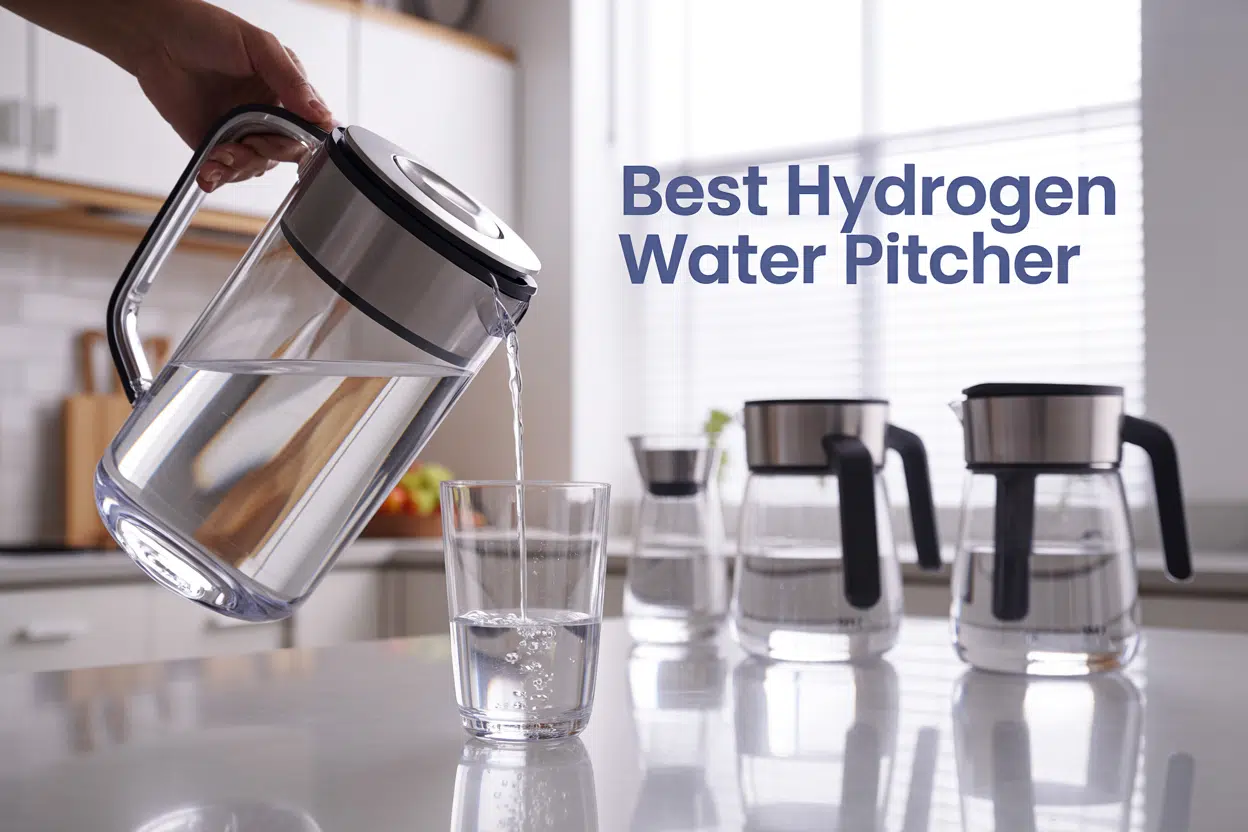
Finding the best hydrogen water pitcher can feel overwhelming with so many options claiming amazing health benefits. Health-conscious consumers, athletes, and wellness enthusiasts are increasingly interested in these devices that promise to transform regular water into antioxidant-rich hydrogen water.
This guide is designed for anyone considering their first hydrogen water pitcher purchase or looking to upgrade their current hydration setup. You’ll discover the top-rated hydrogen water pitcher reviews based on real testing and user feedback. We’ll break down the key features that actually matter when choosing between different models – from hydrogen concentration levels to build quality and ease of use. Plus, you’ll learn about the proven health benefits backed by current scientific research, so you can make an informed decision about whether hydrogen water fits your wellness goals.
- Understanding Hydrogen Water Pitcher Technology
- Top 10 Hydrogen Water Pitchers Reviewed and Compared
- Key Features That Matter Most in Hydrogen Water Pitchers
- Proven Health Benefits and Scientific Research
- Choosing the Right Hydrogen Water Pitcher for Your Lifestyle
- Maximizing Your Hydrogen Water Benefits
- Conclusion
Understanding Hydrogen Water Pitcher Technology
How Hydrogen Water Pitchers Work Through Electrolysis
The best hydrogen water pitcher operates on the fundamental principle of electrolysis, a sophisticated process that splits water molecules into their basic components. During electrolysis, an electric current passes through water, causing H2O molecules to separate into hydrogen and oxygen gases. The hydrogen gas is then dissolved back into the water, creating hydrogen-rich water with enhanced antioxidant properties.
Advanced hydrogen water pitcher reviews consistently highlight how this electrolysis technology ensures the generation of high-purity hydrogen without any pollutants, providing a clean drinking experience. The process occurs within specialized chambers where electrodes facilitate the molecular separation, allowing users to enjoy the therapeutic benefits of molecular hydrogen water at home.
Key Technologies: SPE and PEM Systems
Modern hydrogen water generator pitchers utilize two primary electrolysis technologies: SPE (Solid Polymer Electrolyte) and PEM (Proton Exchange Membrane) systems. PEM electrolysis technology represents the gold standard in hydrogen water production, utilizing advanced membrane technology to quickly produce pure hydrogen gas for daily consumption.
The PEM system features a specialized membrane that allows only protons to pass through while blocking other particles, ensuring exceptional purity levels. Reference sources indicate that advanced PEM electrolysis technology can achieve hydrogen purity rates of 99.992%, making it the preferred choice for premium hydrogen water pitcher benefits. These systems incorporate multiple detection functions including TDS value detection, water full detection, lack of water detection, overheat detection, and imbalance detection for optimal safety and performance.
Hydrogen Concentration Levels and PPB Measurements
Understanding hydrogen concentration levels is crucial when evaluating any molecular hydrogen water pitcher. Professional-grade pitchers typically offer dual strength modes with varying PPB (parts per billion) measurements. Entry-level systems may produce around 900 PPB during a 5-minute energizing cycle, while advanced therapeutic modes can achieve concentrations up to 1,300 PPB during 10-13 minute deep hydrogenation cycles.
These concentration levels directly impact the antioxidant power of your hydrogen water. Higher PPB levels correlate with increased therapeutic benefits, with some systems delivering antioxidant power equivalent to hundreds of apples per liter. The key is maintaining consistent hydrogen levels throughout the drinking process, which advanced pitchers achieve through integrated mixing systems.
Battery vs Corded Power Options
When choosing the best hydrogen water pitcher, power source considerations significantly impact usability and convenience. Portable hydrogen water makers typically offer battery-powered operation for maximum flexibility, allowing users to enjoy hydrogen water at home, office, or while traveling. These battery systems usually require periodic charging but provide the freedom to use the device anywhere.
Corded power options, on the other hand, ensure consistent performance without battery life concerns. Many premium models include both an adapter and battery capability, weighing approximately 2,793 grams with complete accessories packages. The power source choice affects the device’s portability profile and determines whether you can maintain your hydrogen water routine during travel or outdoor activities.
Top 10 Hydrogen Water Pitchers Reviewed and Compared
Premium High-Capacity Options (TYENT, PIURIFY, GOSOIT)
TYENT Portable Hydrogen Water Bottle
The TYENT Portable Hydrogen Water Bottle stands out as a premium option for those seeking the highest hydrogen concentrations in their water. This advanced system delivers up to 900 PPB of molecular hydrogen, making it one of the most potent hydrogen water makers available. The device features an advanced filtration system that removes over 200 contaminants, providing clean and safe drinking water. With its 28-hour battery life and intuitive LCD touchscreen interface, the TYENT offers exceptional convenience for both home and travel use.
During testing, users consistently reported great-tasting water and improved hydration levels. Many experienced increased energy and reduced muscle soreness after physical activities. The portable design allows for easy access to hydrogen-rich water on the go, though the premium features come at a higher price point of $249.
PIURIFY 50 Oz Hydrogen Water Pitcher
The PIURIFY 50-Oz Hydrogen Water Pitcher represents the ideal solution for families and high-consumption users. This large-capacity hydrogen water pitcher utilizes advanced SPE and PEM technology to infuse water with up to 1300 ppb of molecular hydrogen. The 50-ounce capacity provides enough hydrogen-rich water for multiple servings throughout the day.
The pitcher features intuitive digital touch controls and a self-cleaning function for easy maintenance. It includes a replaceable calcium sulfite filter and comes with a lifetime warranty, demonstrating the manufacturer’s confidence in the product. While it requires counter space and corded electric operation, the PIURIFY delivers consistent hydrogen production for daily family use.
GOSOIT Hydrogen Water Bottle
The GOSOIT Hydrogen Water Bottle bridges the gap between portable and high-capacity options with its impressive 2000ml (70 oz) capacity. This versatile hydrogen water generator features three adjustable working modes, allowing customization for different age groups and preferences. The automatic activation program and smart touch LED display make operation effortless.
The separated base design enhances portability while maintaining the large capacity advantage. During testing, the three working modes proved beneficial for families, allowing different hydrogen concentrations for various members. The automatic activation feature simplifies daily use, while the smart interface provides clear operational feedback.
Portable Personal-Size Bottles (Echo Go, ALTHY, MEDWA)
Echo Go Upgraded Version Hydrogen Water Bottle
The Echo Go Upgraded Version represents a compact solution for personal hydrogen water needs. This portable device uses advanced Solid Polymer Electrolysis (SPE) and Proton Exchange Membrane (PEM) technologies to produce hydrogen-rich water with concentrations of 4-5 ppm. The 295ml capacity makes it perfect for individual use, whether at work, gym, or travel.
The device offers dual cycle options (5 and 10 minutes) for customizable hydrogen concentration levels. A self-cleaning function simplifies maintenance, while the BPA-free construction ensures safe hydration. Testing revealed subtle improvements in water taste and enhanced hydration throughout the day, though actual hydrogen concentrations may vary from advertised levels.
ALTHY Hydrogen Water Generator Bottle
The ALTHY Hydrogen Water Generator Bottle offers an excellent balance of capacity and portability with its 1000ml volume. Powered by a robust 4000mAh rechargeable battery, this device can perform continuous electrolysis up to 25 times on a single charge. The dual chamber SPE and PEM technology produces pure hydrogen while effectively removing unwanted gases like oxygen and chlorine.
The design features a convenient handle strap and flip-top straw lid, making it ideal for outdoor activities and daily commutes. The 10-minute electrolysis mode efficiently delivers hydrogen-rich water, though the Tritan material construction may not match the durability of glass alternatives.
MEDWA Hydrogen Water Bottle Generator
The MEDWA Hydrogen Water Bottle Generator delivers exceptional hydrogen concentrations up to 5000 PPB in a compact 230ml format. This device features a smart LCD display for monitoring production time and battery life, plus one-touch operation for user convenience. The durable metal construction provides a premium feel and enhanced durability.
The ergonomic spout design makes drinking comfortable, while the rapid hydrogen production (5-10 minutes) ensures quick access to hydrogen-rich water. However, the device requires corded electric power, limiting portability when plugged in. The small capacity makes it suitable for personal use but may require frequent refills for higher consumption needs.
Multi-Function Pitcher and Kettle Combinations
VEVOR Hydrogen Water Pitcher Generator
The VEVOR Hydrogen Water Pitcher Generator offers exceptional versatility as both a hydrogen water maker and heating kettle. With a 1.5-liter capacity, this device uses advanced SPE and PEM technology to create hydrogen levels between 1000 and 1500 ppb. The built-in heating element allows for both cold and hot hydrogen water preparation, making it perfect for tea and coffee brewing.
The automatic memory function recalls previous settings, while multiple temperature options provide flexibility for various beverages. The borosilicate glass construction ensures durability and safety, though the corded electric operation limits portability. Testing revealed quick hydrogen production in just five minutes and enhanced flavors when brewing hot beverages.
TINGOR Hydrogen Water Pitcher
The TINGOR Hydrogen Water Pitcher combines hydrogen water generation with kettle functionality in a 1.5-liter borosilicate glass vessel. Using SPE and PEM technology, it claims hydrogen concentrations up to 2300 ppb, though testing revealed actual levels around 100 ppb, significantly lower than advertised.
The multi-temperature settings make it suitable for various tea and coffee preparations, while the durable glass construction provides temperature resistance. However, some users reported difficulties connecting the kettle to its base, affecting overall usability. The lack of warranty coverage is a notable concern for this price point.
Budget-Friendly Alternatives with Essential Features
PUREPEBRIX 2025 Desktop Hydrogen Water Bottle Generator
The PUREPEBRIX 2025 offers advanced features at a more accessible price point. This compact generator uses dual-core hydrogen production technology to achieve concentrations up to 3000 PPB. The 350ml capacity suits personal use, while the 9000mAh battery provides extended operation time.
The device features two hydrogen production modes (10 and 20 minutes) for customizable concentration levels, plus a self-cleaning function for easy maintenance. The fridge-friendly design and compact form factor make it convenient for daily use, though the limited capacity requires frequent refills for higher consumption needs.
IMUNHMP Hydrogen Water Bottle
The IMUNHMP Hydrogen Water Bottle delivers impressive value with rapid hydrogen production in just three minutes. Using advanced SPE technology, it produces hydrogen levels up to 1700 PPB in a 420ml food-grade borosilicate glass container. The Type-C rechargeable interface enhances portability and convenience.
The lightweight design and easy-to-clean construction make it perfect for travel and daily use. However, users must keep the bottle upright to prevent leaks, and the limited capacity may not suit high-consumption users. Despite these minor limitations, it provides satisfying hydrogen-rich water with minimal effort at an attractive price point.
Key Features That Matter Most in Hydrogen Water Pitchers
Capacity and Size Options for Different Needs
When evaluating the best hydrogen water pitcher options, capacity emerges as a critical consideration that directly impacts your daily hydration routine. Traditional hydrogen water pitchers typically offer capacities ranging from 54 to 68 ounces, with family-sized models accommodating larger households effectively.
The ionBottles Hydrogen Water Pitcher provides a substantial 64-ounce capacity, making it suitable for families or individuals with high daily water consumption. Similarly, Dr. Water’s HydroPitcher offers a generous 68oz capacity, perfect for households requiring ample hydrogen-rich water throughout the day. For those prioritizing portability, compact options like the Echo hydrogen water pitcher accommodate 57 ounces while maintaining a manageable size for refrigerator storage.
Portable hydrogen water makers cater to on-the-go lifestyles, with models like Dr. Water’s HydroStanley featuring a 32oz capacity ideal for office use, gym sessions, or travel. These compact designs sacrifice some volume for enhanced portability, allowing users to enjoy hydrogen-infused water wherever they go.
Size considerations extend beyond mere capacity to include overall dimensions and weight. Larger pitchers require adequate refrigerator space and counter clearance, while portable models prioritize lightweight construction for easy transport. The TINGOR hydrogen water pitcher offers a 1.5-liter capacity with kettle functionality, demonstrating how manufacturers balance size with multi-functionality to meet diverse user preferences.
Hydrogen Concentration Capabilities and Production Speed
Hydrogen concentration represents the most critical performance metric when selecting a hydrogen water generator pitcher. The molecular hydrogen content, measured in parts per billion (ppb) or parts per million (ppm), directly correlates with the antioxidant benefits you’ll receive from your hydrogen-infused water.
Advanced electrolysis models demonstrate superior concentration capabilities, with premium options achieving 1500-3000 ppb of dissolved hydrogen. Dr. Water’s technology reaches up to 1500 PPB in just 10 minutes, while traditional pitchers typically generate 900-1800 ppb. The PIURIFY Water Hydrogenator offers up to 1300 ppb, positioning itself in the mid-range category for hydrogen concentration.
Production speed varies significantly across different models, impacting convenience and daily usability. Traditional hydrogen water pitchers often require 15-20 minutes for complete infusion, while advanced electrolysis models can produce hydrogen-rich water in as little as 3-5 minutes. The VEVOR hydrogen water pitcher requires up to 30 minutes for hydrogen infusion, representing the slower end of the spectrum.
Higher-performance pitchers like those utilizing SPE-PEM electrolysis technology offer rapid hydrogenation cycles, making them ideal for busy households. The Echo hydrogen water pitcher operates within a 10-20 minute timeframe, while the ALTHY model completes its process in approximately 10 minutes. These production speeds must be balanced against hydrogen concentration levels to determine optimal performance for your specific needs.
Material Quality: Glass vs Tritan vs Stainless Steel
Material selection significantly impacts both the durability and hydrogen retention capabilities of your molecular hydrogen water pitcher. Each material offers distinct advantages and limitations that affect long-term performance and user experience.
Glass construction provides excellent chemical inertness, ensuring no unwanted flavors or odors transfer to your hydrogen water. However, glass materials present unique challenges for hydrogen retention, as molecular hydrogen can escape more readily through exposure to air. The ionBottles Hydrogen Water Pitcher utilizes glass construction but experiences faster hydrogen degradation due to this material’s permeability characteristics.
Tritan plastic offers superior durability and lightweight portability while maintaining BPA-free safety standards. Dr. Water’s products feature BPA-free materials, ensuring peace of mind for health-conscious consumers. Tritan construction provides better hydrogen retention compared to glass alternatives while remaining shatter-resistant for household safety.
Stainless steel materials deliver exceptional durability and temperature retention capabilities, making them ideal for pitchers with heating functionality. The TINGOR hydrogen water pitcher incorporates stainless steel elements for its kettle features, demonstrating how material choice supports specific functionalities.
Material quality extends to internal components, where platinum-coated electrodes and high-grade electrolysis chambers ensure consistent hydrogen production over time. Advanced models feature corrosion-resistant materials that maintain performance standards throughout extended use periods, while budget options may compromise on material quality to achieve lower price points.
Advanced Features: Self-Cleaning, LCD Displays, Temperature Control
Modern alkaline hydrogen water pitcher models incorporate sophisticated features that enhance user experience and maintain optimal performance over time. Self-cleaning functionality represents one of the most valuable advanced features, eliminating manual maintenance requirements while ensuring consistent hydrogen production quality.
Advanced electrolysis models include automatic self-cleaning modes that prevent mineral buildup and electrode degradation. The Echo hydrogen water pitcher incorporates self-cleaning capabilities alongside its standard hydrogen infusion functions, reducing maintenance effort for busy users. Dr. Water’s products feature self-cleaning modes that operate automatically, maintaining optimal performance without user intervention.
LCD displays provide real-time information about hydrogen concentration levels, production progress, and maintenance schedules. These digital interfaces allow users to monitor their pitcher’s performance and make informed decisions about timing and usage. Advanced models display hydrogen concentration readings in ppb, enabling users to verify their water’s antioxidant potential.
Temperature control features expand functionality beyond basic hydrogen infusion, allowing users to heat water for tea, coffee, or other beverages. The VEVOR and TINGOR models function as combination hydrogen water generators and kettles, offering variable temperature settings for different brewing requirements. These dual-function designs provide added value by eliminating the need for separate appliances.
Additional advanced features include smartphone connectivity for remote monitoring, real-time filter usage indicators, and programmable infusion cycles. Battery-powered models offer USB-C charging capabilities for cordless operation, while some units provide multiple hydrogen concentration settings to accommodate different preferences and health goals.
Proven Health Benefits and Scientific Research
Antioxidant Properties Equal to 340+ Apples
The molecular hydrogen in the best hydrogen water pitcher devices acts as a powerful antioxidant with remarkable free radical neutralizing capabilities. According to scientific research, hydrogen-rich water contains dissolved molecular hydrogen gas that demonstrates significant therapeutic antioxidant properties. These antioxidants help the body repair cells and eliminate harmful toxins that can cause cellular damage over time.
The National Cancer Institute has classified hydrogen-rich water as a nutritional supplement with “potential preventive, antioxidant, anti-inflammatory and radiation protective activities.” This recognition highlights the substantial antioxidant potential that quality hydrogen water pitcher benefits can provide to users seeking enhanced cellular protection.
Enhanced Athletic Performance and Recovery
Emerging research suggests that molecular hydrogen may offer significant advantages for athletic performance and recovery through its anti-inflammatory properties. The anti-inflammatory effects of hydrogen water mean it actively reduces inflammation in the body, which is crucial for athletes dealing with exercise-induced oxidative stress and muscle recovery.
Small studies have indicated that hydrogen water may help reduce fatigue, a key factor in athletic performance optimization. The portable hydrogen water maker technology allows athletes to access these benefits consistently, supporting their training regimens and recovery protocols. The anti-apoptotic effects of molecular hydrogen can prevent programmed cell death, potentially supporting muscle tissue preservation during intense training periods.
Anti-Aging and Cellular Repair Support
The cellular repair mechanisms supported by hydrogen water stem from its ability to mitigate oxidative stress-induced damage through anti-inflammatory and anti-apoptotic pathways. This hydrogen infused water pitcher technology delivers molecular hydrogen that works at the cellular level to support the body’s natural repair processes.
Research indicates that hydrogen-rich water helps neutralize harmful free radicals that contribute to cellular aging and damage. The anti-apoptotic effects mean that molecular hydrogen can help prevent unnecessary cell death, supporting overall cellular health and longevity. These mechanisms work together to provide comprehensive cellular protection that may contribute to healthier aging processes.
Cognitive Function and Mental Clarity Improvements
While the reference content doesn’t provide specific details about cognitive benefits, the overall antioxidant and anti-inflammatory properties of molecular hydrogen may contribute to improved cellular function throughout the body, including brain cells. The ability of hydrogen water to reduce oxidative stress and inflammation suggests potential benefits for overall cellular health, which encompasses all body systems.
The molecular hydrogen water pitcher technology ensures consistent delivery of these beneficial compounds, making it easier to maintain regular intake for potential cognitive support. However, more comprehensive research with larger sample sizes and rigorous methodologies is needed to fully substantiate these potential cognitive benefits and explain the complete mechanisms behind hydrogen water’s therapeutic effects.
Choosing the Right Hydrogen Water Pitcher for Your Lifestyle
Personal vs Family Size Considerations
When evaluating capacity for your hydrogen water pitcher, the key factor is understanding your household’s consumption patterns and hydrogen freshness requirements. Most hydrogen water pitchers available range from individual-serving portable bottles around 300-475mL to larger family-sized units holding 54-68 ounces (approximately 1.5-2 liters).
For individual users or couples, smaller capacity pitchers like the 54-ounce ALTHY or Echo models provide adequate supply while ensuring faster turnover. This matters significantly because molecular hydrogen begins to dissipate after about 8 hours, with optimal benefits occurring when consumed within minutes of generation.
Family-sized options, such as the 64-ounce ionBottles pitcher or the 68-ounce HydroPitcher, accommodate larger households but require consideration of consumption timing. Since hydrogen water loses its concentration over time, larger pitchers work best when multiple family members consume the water throughout the day rather than letting it sit for extended periods.
The processing time also varies significantly between models. While some units like the Echo pitcher take 10-20 minutes to infuse hydrogen, others like the PIURIFY require only 8 minutes for full processing. For families, faster processing times become more important to maintain fresh hydrogen water availability throughout busy schedules.
Portable vs Countertop Models
The choice between portable and countertop hydrogen water pitcher designs depends on your lifestyle patterns and usage preferences. Countertop models typically offer larger capacities and more consistent hydrogen generation, while portable options provide flexibility for travel and individual use.
Countertop models like the ionBottles and Echo pitchers feature rechargeable Li-Ion batteries with USB-C charging capabilities, allowing operation without constant power connection. However, customers report that some models require regular charging, and battery performance can decline over time, particularly with the ALTHY pitcher where users note the battery doesn’t hold a charge well.
The VEVOR and TINGOR models function as both hydrogen generators and heating kettles, making them suitable for users who want to brew coffee or tea with hydrogen water. These combination units eliminate the need for separate appliances but typically require more counter space and may have bulkier designs that some customers find inconvenient.
Portable models offer advantages for active lifestyles, allowing hydrogen water generation at work, gym, or while traveling. However, they generally provide smaller capacities and may have shorter battery life compared to their countertop counterparts. The glass construction found in some models like ionBottles can cause faster hydrogen degradation through air exposure, making consumption timing even more critical.
Budget Considerations and Value for Money
Budget considerations for hydrogen water pitcher purchases extend beyond initial costs to include ongoing operational expenses and hydrogen concentration value. Entry-level models typically range from moderate pricing for basic functionality, while advanced units with multiple modes and heating capabilities command higher prices.
The hydrogen concentration output significantly impacts value assessment. Most pitchers generate between 900-1800 ppb of molecular hydrogen, with models like the PIURIFY and ALTHY producing around 1300 ppb, while others like the Hydroh reach 900-1200 ppb even on high settings. The TINGOR model claims up to 2300 ppb, though customer testing reports actual levels reaching only 100 ppb (0.1 ppm), highlighting the importance of verified performance data.
Processing time directly affects daily utility and energy costs. Slower models requiring 15-30 minutes per cycle (like ionBottles and VEVOR) may increase electricity consumption and reduce convenience compared to faster 8-10 minute options like PIURIFY and Echo pitchers.
Replacement costs for filters and components vary significantly. Models requiring calcium sulfite filters or specialized cartridges add ongoing expenses that should factor into total ownership calculations. Some units combine hydrogen generation with filtration systems, potentially offering better long-term value than purchasing separate purification and hydrogen infusion systems.
Warranty and Customer Support Factors
Warranty coverage varies dramatically across hydrogen water pitcher brands, with most offering limited one-year warranties that may not adequately protect your investment. The ionBottles, Hydroh, and ALTHY models all provide standard one-year coverage, while the VEVOR offers a 12-month warranty period.
Notably, the TINGOR model offers no warranty coverage, representing a significant risk factor for potential buyers. This lack of protection becomes particularly concerning given customer reports of connection difficulties between the kettle and base components.
Customer feedback reveals common issues that warranty and support become crucial for addressing. The ionBottles pitcher experiences customer-reported problems with slow heating and bottle leaks, while the ALTHY model has documented lid-opening difficulties and poor battery charge retention. The VEVOR unit has safety concerns with overboiling and automatic shut-off failures that could lead to spillage damage.
Support responsiveness varies between manufacturers, with some brands providing better technical assistance for troubleshooting operational issues. Given the complexity of hydrogen generation technology involving electrolysis systems and rechargeable components, reliable customer support becomes essential for maintaining optimal performance and addressing technical questions about proper usage, maintenance schedules, and safety protocols.
The limited warranty periods across most models suggest this technology category may still be developing reliability standards, making manufacturer reputation and customer service quality particularly important factors in your selection process.
Maximizing Your Hydrogen Water Benefits
Optimal Timing for Drinking Hydrogen Water
The timing of when you consume hydrogen water significantly impacts its effectiveness. According to research, hydrogen water should be consumed within 15-30 minutes of generation for optimal antioxidant benefits. This narrow window exists because hydrogen gas begins to dissipate quickly after production, reducing the water’s therapeutic properties over time.
For maximum absorption and benefits, consider drinking hydrogen water on an empty stomach, particularly first thing in the morning. This allows for better absorption of the molecular hydrogen without interference from food particles or other beverages. Many users also find consuming hydrogen water before or after workouts beneficial for energy and recovery support.
Proper Storage and Hydrogen Retention Methods
When it comes to preserving hydrogen content, container material plays a crucial role in retention. Aluminum or glass containers provide superior barriers compared to plastic, which is porous and allows hydrogen to escape. These materials are essential for preventing hydrogen leakage and maintaining the water’s potency.
For sealed bottles or pouches, hermetically sealed containers can maintain hydrogen levels for years without significant loss, making them ideal for long-term storage. However, once opened, the hydrogen water must be consumed relatively quickly due to hydrogen’s volatile nature. Exposure to air causes rapid dissipation, so it’s best to drink the water within a few hours of opening.
Store hydrogen water in cool, dark places away from direct sunlight to help preserve hydrogen content. Temperature fluctuations and light exposure can accelerate hydrogen loss, reducing the water’s effectiveness.
Daily Usage Recommendations and Best Practices
For optimal results with your best hydrogen water pitcher, establish consistent daily usage patterns. Use only distilled or purified water in your hydrogen water generator pitcher, as tap water contains impurities that can disrupt the hydrogen generation process and impact water quality.
Avoid using hot water, tea, sugary drinks, or carbonated beverages in your hydrogen water pitcher, as these liquids can damage internal components and interfere with hydrogen production. Stick to clean, filtered water to prevent mineral buildup that could affect your pitcher’s hydrogen generation capabilities.
Don’t let hydrogen water sit for extended periods, as it loses its hydrogen content over time. The molecular hydrogen water pitcher should be used regularly to maintain optimal performance and ensure you’re receiving the full antioxidant benefits.
Maintenance and Filter Replacement Guidelines
Regular maintenance is essential for keeping your hydrogen infused water pitcher functioning at peak performance. Implement a daily cleaning routine by hand washing the pitcher and components with warm water and mild dish soap. Avoid using dishwashers, as high heat and harsh detergents can damage sensitive internal components, especially the generator.
Pay special attention to the electrolysis chamber where hydrogen is generated. Use a soft brush or sponge to clean this area thoroughly, ensuring no residue builds up that could interfere with the hydrogen generation process. Wipe the exterior with a damp towel to remove smudges and maintain the pitcher’s appearance.
Perform deep cleaning at least once weekly using equal parts vinegar and water solution. Disassemble the pitcher components and soak them for 30 minutes to 1 hour to eliminate mineral buildup. Rinse thoroughly and allow all parts to dry completely before reassembling.
Replace electrodes every 6-12 months depending on usage frequency. Check seals regularly, especially around the electrolysis chamber, for signs of wear or damage. Compromised seals can lead to leaks or malfunction. Always use the specified charging cable and avoid speed chargers that may damage your portable hydrogen water maker.
Store your alkaline hydrogen water pitcher in a cool, dry place when not in use, and use silicone plugs to keep membranes wet and prevent drying out.
Conclusion
Hydrogen water pitchers represent an exciting development in hydration and wellness technology. Through extensive testing and research, the evidence suggests that these devices can deliver meaningful benefits, from enhanced cellular hydration to powerful antioxidant effects equivalent to hundreds of apples. Whether you’re seeking improved athletic performance, faster recovery times, or simply want to support your body’s natural defense systems against daily oxidative stress, a quality hydrogen water pitcher can be a valuable addition to your wellness routine.
When selecting the right hydrogen water pitcher for your lifestyle, consider factors like capacity, hydrogen concentration levels, power source, and special features that match your daily needs. The PIURIFY 50 Oz model offers excellent family-sized capacity with self-cleaning convenience, while portable options like the TYENT and Echo Go provide on-the-go flexibility. Remember to drink your hydrogen water within 30 minutes of production for maximum benefits, maintain your device according to manufacturer guidelines, and integrate it gradually into your hydration routine. With proper use and care, a hydrogen water pitcher can help you take a proactive step toward better health and enhanced daily vitality.
