
You have probably seen them glowing on your favorite wellness influencer’s desk, tucked into gym bags, or blowing up on TikTok: sleek, futuristic-looking water bottles that promise to revolutionize the way you hydrate.
But with bold claims ranging from reversing cellular aging to instantly curing muscle fatigue, it is completely natural to ask: Is this a legitimate biological breakthrough, or just another overpriced wellness fad?
If you are confused by the complex chemistry or skeptical of the aggressive marketing, you are in exactly the right place.
In this complete beginner’s guide, we are cutting through the hype. We will break down exactly what a hydrogen water bottle is, explain the fascinating science of SPE/PEM electrolysis in plain English, and separate the clinically proven health benefits from the internet scams. By the end of this article, you will know exactly how these devices work and, more importantly, whether investing in one is the right move for your personal health journey.
Let’s dive in.
- Key Takeaways
- What Is a Hydrogen Water Bottle & How Does It Work?
- Potential Health Benefits of Hydrogen Water
- Is Hydrogen Water Backed by Science?
- Potential Side Effects and Safety Concerns
- How to Use a Hydrogen Water Bottle Properly
- How Long Do Hydrogen Water Bottles Last?
- Are Hydrogen Water Bottles Worth It?
- How to Choose the Best Hydrogen Water Bottle
- Final Thoughts: Should You Try a Hydrogen Water Bottle?
- Frequently Asked Questions (FAQ)
Key Takeaways
- What it is: A hydrogen water bottle is a portable device that uses an electrical process to infuse regular drinking water with pure molecular hydrogen gas (H₂).
- How it works: High-quality bottles use SPE/PEM electrolysis technology to safely separate hydrogen from oxygen, dissolving the hydrogen into your water while venting out harmful byproducts like ozone and chlorine.
- The primary benefit: Molecular hydrogen is a powerful, selective antioxidant that neutralizes toxic free radicals in the body, potentially reducing oxidative stress, inflammation, and muscle fatigue.
- The catch: Hydrogen gas escapes quickly. For maximum benefit, the water must be consumed within 30 to 60 minutes of generation.
What Is a Hydrogen Water Bottle & How Does It Work?
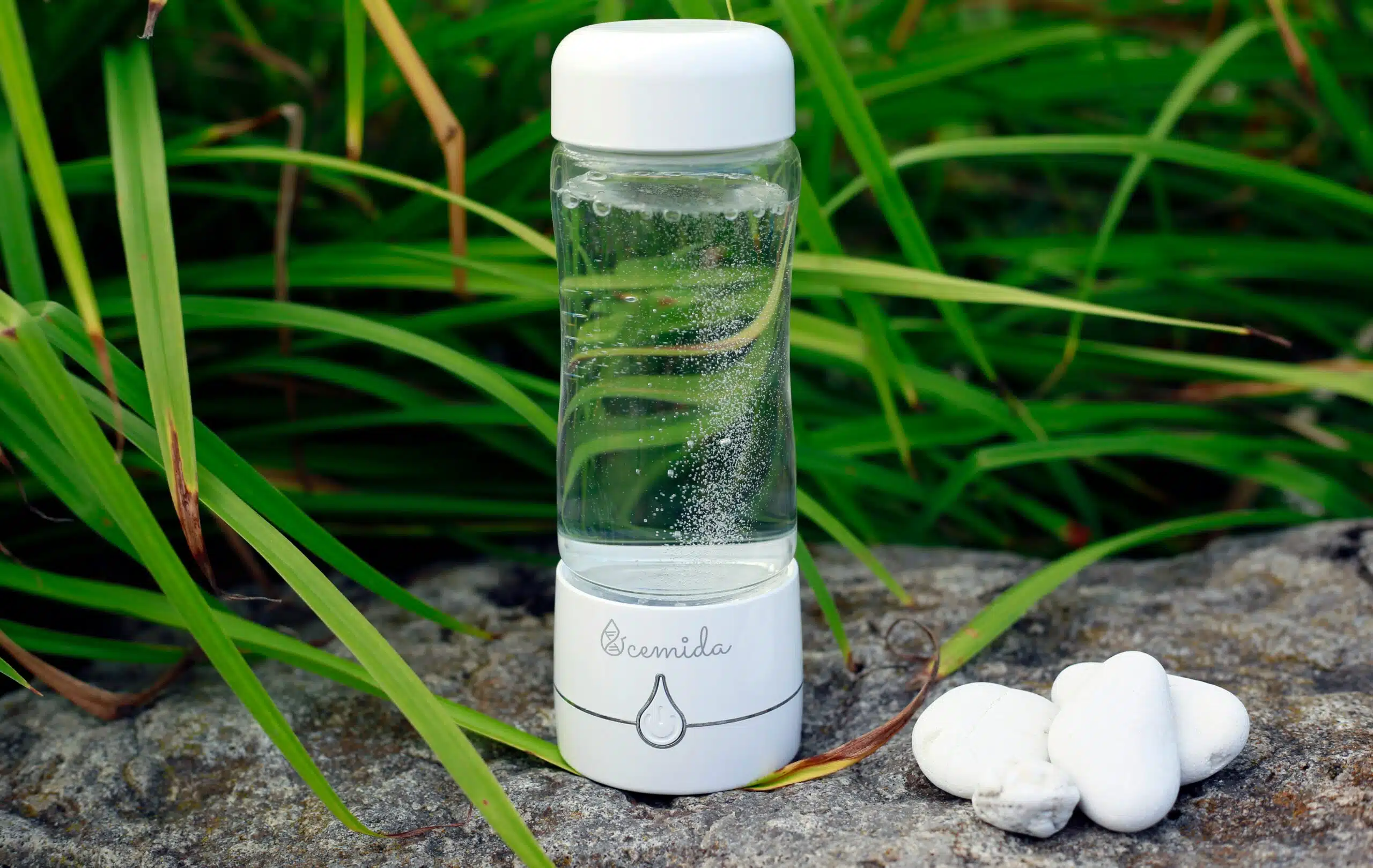
The pursuit of optimal hydration has moved beyond simply drinking eight glasses of water a day. Enter the hydrogen water bottle: a rechargeable, portable generator that transforms ordinary water into an antioxidant-rich beverage on demand.
But this isn’t a wellness gimmick; it is grounded in pure chemistry.
The Science: Electrolysis and SPE/PEM Technology Explained
At the base of every legitimate hydrogen water bottle, even in budget-friendly choices, is an electrolyzer. When you press the power button, the device sends a gentle electrical current through the water (H₂O). This current breaks the chemical bonds, splitting the water into hydrogen gas (H₂) and oxygen gas (O₂).
However, not all electrolysis is created equal. The most crucial feature to look for in a modern bottle is SPE/PEM Technology:
- SPE (Solid Polymer Electrolyte): A solid membrane that conducts electricity efficiently.
- PEM (Proton Exchange Membrane): A highly selective barrier that only allows positively charged hydrogen ions (protons) to pass through and dissolve into your drinking water.
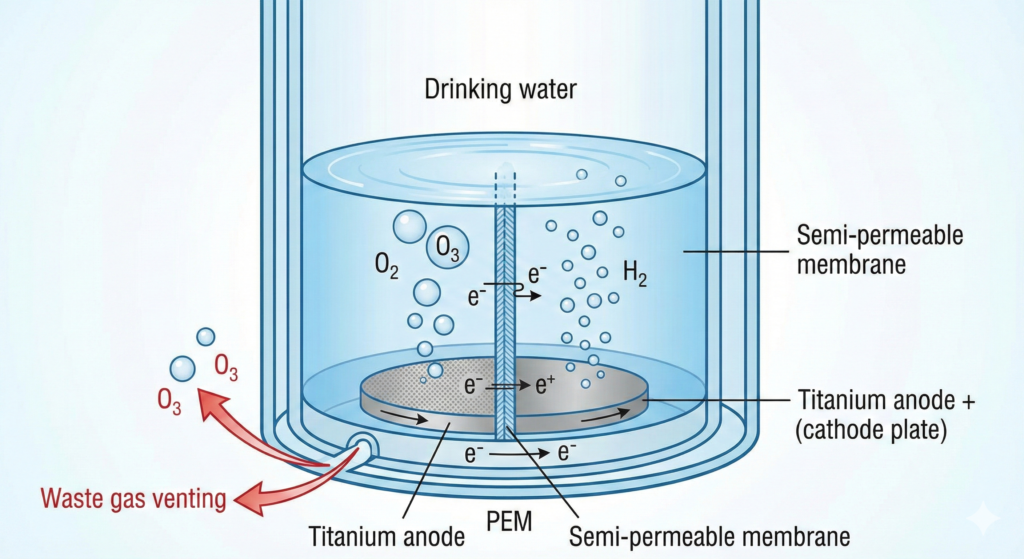
Why is this so important? Cheap, older bottles rely on basic alkaline electrolysis. These outdated methods can leak harmful byproducts—specifically ozone and chlorine—directly into your drinking water. An SPE/PEM membrane acts as a gatekeeper, safely venting the oxygen and waste gases out of a small exhaust hole at the bottom of the bottle, ensuring you drink 100% pure molecular hydrogen.
Pro Tip: Because hydrogen is the smallest molecule in the universe, it easily passes through standard plastic and dissipates into the air. This is why generating it fresh in a specialized bottle is infinitely more effective than buying pre-packaged hydrogen water at the grocery store.
Hydrogen Water vs. Normal Water: What’s the Difference?
Visually and texturally, there is no difference. Hydrogen water is colorless, odorless, and tastes exactly like normal water (though some users report it tasting slightly “crisper” or “lighter”).
The fundamental difference lies in the dissolved gas.
- Normal Water: Consists strictly of H₂O molecules. It provides essential hydration, regulates body temperature, and transports nutrients, but it does not have inherent antioxidant properties.
- Hydrogen Water: This is normal H₂O that has been supersaturated with extra, unbonded molecular hydrogen (H₂) gas.
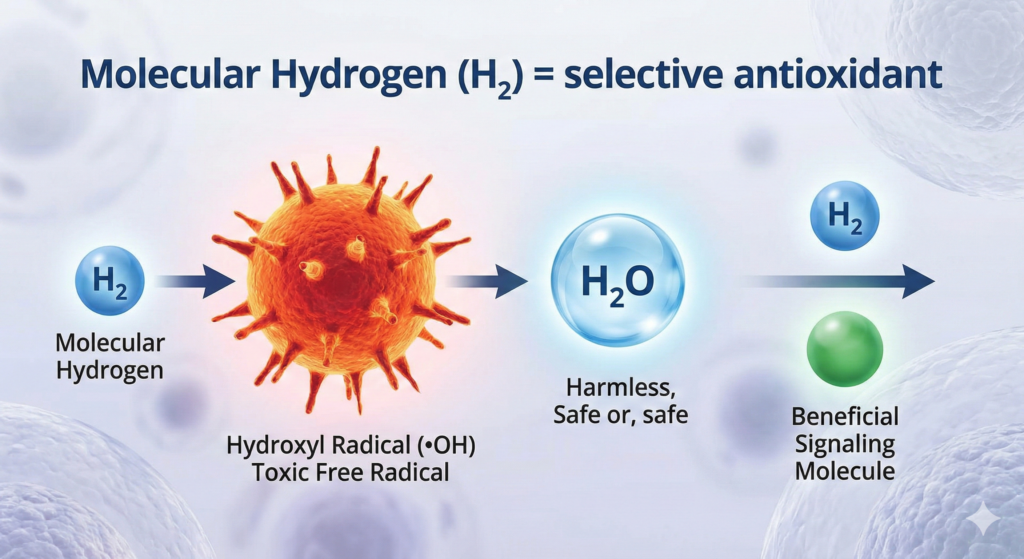
This added H₂ does not change the pH of the water, meaning it is entirely different from alkaline water. Instead, the molecular hydrogen acts as a selective antioxidant. Medical reviews indicate that when consumed, this tiny molecule easily permeates cellular barriers to target highly destructive free radicals (like the hydroxyl radical), neutralizing them into harmless water without disrupting the beneficial processes your body actually needs.
Potential Health Benefits of Hydrogen Water
While water is essential for life, hydrogen water acts as a delivery system for a potent therapeutic molecule. A growing body of clinical research published by the National Institutes of Health (NIH) indicates that molecular hydrogen can significantly impact cellular health across several key areas.
Antioxidant and Anti-Inflammatory Properties
The most scientifically validated benefit of molecular hydrogen is its role as a selective antioxidant.
Every day, your body produces reactive oxygen species (ROS), commonly known as free radicals. Some of these are beneficial for cellular signaling, but others—specifically the hydroxyl radical (•OH) and peroxynitrite—are highly toxic. They damage cells, mutate DNA, and cause chronic inflammation.
Here is how hydrogen water intervenes:
- Selective Scavenging: Unlike traditional antioxidants (like Vitamin C) that can sometimes neutralize all free radicals, molecular hydrogen only targets and neutralizes the toxic ones.
- Harmless Conversion: When H₂ binds with a toxic hydroxyl radical (•OH), it instantly converts it into harmless water (H₂O) that your body simply flushes out.
- Cellular Penetration: Because hydrogen is so small, it easily crosses the blood-brain barrier and penetrates deep into the mitochondria and nucleus of your cells, where inflammation starts.
Athletic Performance, Energy, and Recovery
For athletes and fitness enthusiasts, hydrogen water is rapidly becoming a staple for pre-workout hydration and post-workout recovery. Intense physical exertion causes a massive spike in oxidative stress, leading to muscle fatigue and delayed onset muscle soreness (DOMS).
Clinical trials evaluating hydrogen-rich water in athletes have noted several distinct advantages:
- Reduced Blood Lactate: Drinking hydrogen water before exercise has been shown to lower blood lactate accumulation, delaying the “burn” and extending endurance.
- Lowered Perceived Exertion: Studies note that participants drinking hydrogen water experience a lower Rating of Perceived Exertion (RPE) and a stabilized heart rate during submaximal aerobic workouts.
- Faster Muscle Recovery: By neutralizing exercise-induced free radicals, hydrogen water mitigates the micro-tears and inflammation in muscle tissues, drastically cutting down recovery time.
Metabolic, Gut, and Cardiovascular Support
Beyond muscle recovery, the anti-inflammatory effects of molecular hydrogen show immense promise for internal organ health and metabolic function.
- Metabolic Syndrome: A landmark 24-week, double-blind study found that high-concentration hydrogen water significantly reduced blood cholesterol levels, lowered blood glucose, and improved hemoglobin A1c in patients with metabolic syndrome.
- Gut Health: Chronic gut inflammation is a root cause of many systemic diseases. Hydrogen water has been shown to downregulate inflammatory pathways in the gastrointestinal tract and protect the epithelial lining, helping to preserve a healthy composition of gut microbiota.
- Cardiovascular Protection: Oxidative stress is a primary driver of heart disease and atherosclerosis (hardening of the arteries). By reducing inflammation in the blood vessels, molecular hydrogen helps maintain vascular homeostasis, improves endothelial cell function, and protects against cardiac hypertrophy.
Is Hydrogen Water Backed by Science?
When a wellness trend explodes, skepticism naturally follows. Forums like Reddit and Quora are frequently filled with users asking: Is hydrogen water a scam, or is there real science behind it?
The short answer is yes, there is legitimate science, but it is important to separate clinical facts from marketing hype.
What Current Clinical Research Says
Since a landmark 2007 study demonstrated that molecular hydrogen could act as a therapeutic antioxidant, hundreds of peer-reviewed papers have explored its benefits.
Recent systematic reviews and clinical trials have shown promising results in human subjects:
- Metabolic Syndrome & Cholesterol: Studies indicate that drinking high-concentration hydrogen water can significantly reduce serum total cholesterol and low-density lipoprotein (LDL) levels over a 24-week period.
- Inflammation and Oxidative Stress: A comprehensive 2024 systematic review found that hydrogen-rich water effectively reduces inflammatory responses and increases overall antioxidant capacity in healthy adults (National Institutes of Health).
- Disease Management: Researchers are actively running clinical trials to see if the anti-inflammatory properties of hydrogen water can help manage symptoms of Chronic Fatigue Syndrome (ME/CFS) and prevent severe inflammatory complications in COVID-19 patients.
Limitations and the Ongoing Scientific Debate
While the therapeutic potential of molecular hydrogen is well-documented, the scientific community is still debating its widespread use as an everyday supplement.
The primary limitations and points of skepticism include:
- Sample Sizes: Many human trials involve small test groups and short durations, meaning large-scale, long-term epidemiological data is still developing.
- Dosage Uncertainty: There is currently no universally agreed-upon medical consensus on the exact optimal daily dosage (ppm) required to achieve specific health outcomes across different populations.
- The Escape Rate: Because hydrogen is so light, it escapes from water incredibly fast. Critics point out that if a user does not drink the water immediately after generating it, they are essentially just drinking expensive, plain water.
Potential Side Effects and Safety Concerns
Before adopting any new health habit, safety is the number one priority. Fortunately, molecular hydrogen boasts an incredibly high safety profile.
Are There Any Risks to Drinking Hydrogen Water?
For the vast majority of healthy individuals, there are no known negative side effects to drinking hydrogen water. In fact, molecular hydrogen dissolved in water has been granted GRAS (Generally Recognized As Safe) status by the U.S. Food and Drug Administration (FDA).
Furthermore, hydrogen is completely natural to the human body. Your gut bacteria naturally produce liters of hydrogen gas every single day when digesting fiber-rich foods.
The only real risks come from the bottles themselves: If you purchase a cheap, poorly manufactured bottle without SPE/PEM technology, the device could leak toxic byproducts like ozone, chlorine, or heavy metals from degrading electrodes directly into your drinking water.
The Hydrogen Peroxide Myth Explained
A common—and potentially dangerous—misconception circulating online is that hydrogen water can turn into hydrogen peroxide (H₂O₂), or conversely, that you can make hydrogen water at home by diluting hydrogen peroxide.
This is chemically impossible.
- Molecular Hydrogen (H₂): A stable, non-toxic, and anti-inflammatory gas.
- Hydrogen Peroxide (H₂O₂): A highly reactive oxidizing agent used as a disinfectant and bleach.
As the Molecular Hydrogen Institute explains, when hydrogen peroxide decomposes, it breaks down into plain water and oxygen gas (2H₂O₂ → 2H₂O + O₂). It does not create hydrogen gas. High-quality hydrogen water bottles only infuse pure H₂ into the water, and there is absolutely zero risk of it spontaneously transforming into peroxide.
How to Use a Hydrogen Water Bottle Properly
To get the highest concentration of molecular hydrogen and protect your investment, you must operate your bottle correctly. Incorrect usage can severely diminish the hydrogen output and even permanently damage the device.
Step-by-Step Instructions for the Best Concentration
Generating hydrogen water is straightforward, but there are a few critical “dos and don’ts” to keep in mind:
- Initial Setup: Before using a new bottle, wash the glass or plastic container with mild soap (never submerge the electronic base). Charge the device fully before the first use to preserve the lithium-ion battery’s lifespan.
- Fill the Bottle: Pour in your water of choice (see below for the best types), leaving a small gap at the top. Secure the lid tightly to prevent the hydrogen gas from escaping during the pressure-building electrolysis phase.
- Run the Cycle: Press the power button to start the cycle (usually 3 to 10 minutes). You will see fine mist-like bubbles rising from the generator plate. Do not use the bottle while it is plugged into the wall, as this can damage the internal battery.
- Release Pressure: Do not run the generation cycle more than twice in a row without opening the lid. The pressure build-up from the gas can break the glass or damage the seals.
- Drink Promptly: Consume the water within 30 to 60 minutes.
- The Golden Rule (Keep it Moist): After drinking, always leave a small splash of water at the bottom of the bottle. The Proton Exchange Membrane (PEM) must stay moist to function properly. If the PEM dries out, it loses its ability to conduct ions and generate hydrogen.
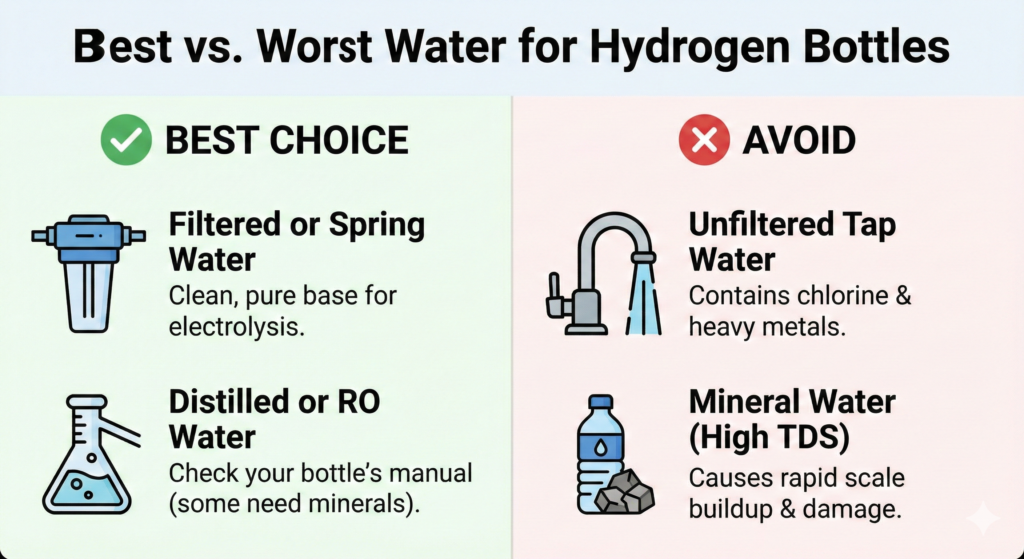
What Type of Water Should You Use? (Filtered, Tap, or RO/Distilled)
The water you put into an SPE/PEM bottle directly impacts both the hydrogen parts per million (ppm) and the lifespan of the electrodes.
- Filtered or Spring Water (Best Choice): Clean, filtered water or naturally low-mineral spring water is the optimal choice. It provides enough conductivity for the electrolysis process without overloading the device with heavy minerals.
- Distilled or Reverse Osmosis (RO) Water: High-quality SPE/PEM bottles are designed to handle purified water with zero minerals. However, some older or cheaper bottles require trace minerals to conduct electricity. If using RO or distilled water, check your specific manufacturer’s guidelines (Dr. Water, 2025).
- Unfiltered Tap Water (Avoid): Hard tap water is full of heavy metals, chlorine, and calcium. These elements will quickly cause scale buildup (calcification) on the delicate titanium plates, blocking hydrogen production and shortening the bottle’s lifespan.
- Temperature Matters: Room temperature or slightly warm water (around 15°C to 45°C) yields significantly higher hydrogen concentrations. Ice-cold water slows down the electrolysis process, potentially reducing hydrogen output by up to 40%.
How Long Do Hydrogen Water Bottles Last?
A hydrogen water bottle is an electronic wellness device. Like a smartphone or an electric toothbrush, it has a finite lifespan dictated by its internal hardware.
Average Lifespan and Battery Degradation
Most high-quality, SPE/PEM hydrogen water bottles will last 2 to 5 years with proper care.
The lifespan usually comes down to two components:
- The Battery: Most bottles utilize lithium-ion batteries that are rated for about 300 to 500 full charge cycles before the capacity begins to naturally degrade. For a daily user, this translates to roughly 1.5 to 3 years of peak battery performance before you may need to charge it more frequently.
- The PEM/Electrodes: The titanium plates and the solid polymer membrane are under constant electrical stress. Over thousands of uses, the membrane will eventually wear down.
Maintenance and Cleaning Tips to Prevent Scaling
The number one reason hydrogen water bottles fail prematurely is mineral scaling on the electrode plates. If you notice a drop in bubble production or a funky smell, it is time for a deep clean.
Here is the industry-standard maintenance routine:
- Daily Care: Rinse the bottle with warm, filtered water and a drop of mild dish soap. Never put the electronic base in the dishwasher or submerge it in the sink.
- Deep Descaling (Every 2-4 Weeks): To dissolve calcification on the generator plates, use a citric acid or white vinegar soak. Mix equal parts white vinegar and warm water (or 1 tablespoon of citric acid powder in 500ml of water). Pour this into the bottle, let it sit for 30 to 60 minutes, and run one generation cycle. This safely eats away the scale. Pour the mixture out and rinse thoroughly 2-3 times with fresh water before drinking from it again.
Are Hydrogen Water Bottles Worth It?
The decision to invest in a hydrogen water bottle ultimately comes down to your budget and your personal wellness goals. Evaluating their worth requires a realistic look at both cost and the actual science behind the claims.
Cost vs. Effectiveness
Hydrogen water bottles are an investment, typically ranging from $50 for basic models to over $250 for premium, medical-grade devices.
Are they cost-effective? Yes, but only if you purchase a high-quality bottle and use it daily.
- The Math: Buying pre-packaged hydrogen water in aluminum pouches can cost $3 to $5 per serving. If you drink two pouches a day, you will spend over $150 in a single month. A premium rechargeable bottle pays for itself in less than two months while providing an unlimited supply of fresh hydrogen water.
- The Effectiveness: As established, the anti-inflammatory and antioxidant benefits are clinically supported . If you struggle with workout recovery, chronic fatigue, or joint inflammation, a high-quality SPE/PEM bottle is a highly effective, non-invasive tool to add to your routine. However, if you expect it to be a magical cure-all that replaces a good diet and exercise, it will not be worth the money.
Are Hydrogen Water Bottles a Scam?
This is one of the most highly debated topics on platforms like Reddit and Quora. The straightforward answer is: The technology is not a scam, but many of the products on the market are.
The confusion stems from a flood of cheap, low-quality knockoffs on Amazon and TikTok Shop.
- The Real Science: Using electrolysis to infuse water with molecular hydrogen is a scientifically valid process used in hospitals in Japan and backed by hundreds of peer-reviewed studies.
- The Actual Scam: Many companies sell $30 bottles that use outdated, exposed electrodes without a Proton Exchange Membrane (PEM). These bottles do not filter out waste gases, meaning they pump your drinking water full of ozone and chlorine gas, while barely producing any actual hydrogen. Even worse, some brands intentionally misrepresent what their bottles can do, leading to intense consumer skepticism.
How to Choose the Best Hydrogen Water Bottle
If you have decided to buy a hydrogen water bottle, you must know how to navigate the market to avoid the scams mentioned above.
Key Features to Look For (SPE/PEM, ppm Levels, Materials)
Do not buy a bottle unless it meets these three non-negotiable criteria:
- True SPE/PEM Technology: The product description must explicitly state it uses Solid Polymer Electrolyte (SPE) and Proton Exchange Membrane (PEM) technology, ideally using DuPont membranes. This guarantees the separation of oxygen and hydrogen, ensuring you only drink pure H₂.
- High PPM / PPB Output: Look for a bottle that guarantees a therapeutic concentration of molecular hydrogen. You want a minimum of 1.5 ppm (1500 ppb). Premium 2026 models can now reach up to 3.0 ppm or higher in a single cycle.
- Food-Grade Materials: The bottle itself should be made of durable borosilicate glass or high-grade Tritan plastic (BPA-free). The internal electrolysis plates must be made of titanium coated with platinum. Cheap metals will degrade, rust, and leach heavy metals into your water over time.
Testing if Your Bottle Is Producing Hydrogen
Do not trust the bubbles. A cheap bottle will produce hundreds of bubbles, but those bubbles could just be oxygen or ozone.
To prove your bottle is actually producing molecular hydrogen, you need to use H2 Blue Test Drops (a methylene blue reagent).
- How it works: You put a sample of your hydrogen water into a small beaker and add the blue drops one by one. Molecular hydrogen reacts with the reagent, turning the blue drops completely clear.
- The measurement: Every drop that turns clear represents roughly 0.1 ppm (100 ppb) of dissolved hydrogen gas. If you put in 15 drops and the water turns clear every time, your bottle is producing at least 1.5 ppm of molecular hydrogen.
Final Thoughts: Should You Try a Hydrogen Water Bottle?
The science surrounding molecular hydrogen has moved far past the realm of wellness fads. With its proven ability to act as a selective antioxidant, neutralize toxic free radicals, and speed up athletic recovery, a hydrogen water bottle is a powerful addition to a healthy lifestyle.
However, the market is completely unregulated. If you decide to upgrade your hydration routine, you must be a discerning consumer. Skip the cheap knockoffs, invest in verified SPE/PEM technology, and make sure you consume the water immediately after generating it to reap the full benefits.
By understanding the chemistry and knowing exactly what to look for, you can safely harness the power of molecular hydrogen to support your long-term health, energy, and vitality.
Frequently Asked Questions (FAQ)
What Does Hydrogen Water Do to Your Gut?
Molecular hydrogen is a potent anti-inflammatory agent. Studies suggest that drinking hydrogen water can help soothe the epithelial lining of the gastrointestinal tract, reducing gut inflammation and supporting a healthy microbiome. In fact, your gut bacteria naturally produce hydrogen gas when breaking down fiber to help regulate your digestive system.
Do Hydrogen Water Bottle Generators Really Work?
Yes, provided they use modern SPE/PEM technology. These generators use an electrical current to successfully split H₂O molecules, venting out the oxygen and forcing pure molecular hydrogen gas to dissolve into your drinking water at therapeutic concentrations.
What’s the Best Hydrogen Water Bottle for Daily Use?
The best bottle for daily use is one that features a DuPont SPE/PEM membrane, titanium-platinum plates, and a durable borosilicate glass or Tritan body. Brands like Piurify and Evolved H2O are frequently rated highly for their safety, durability, and verified high ppm output.
